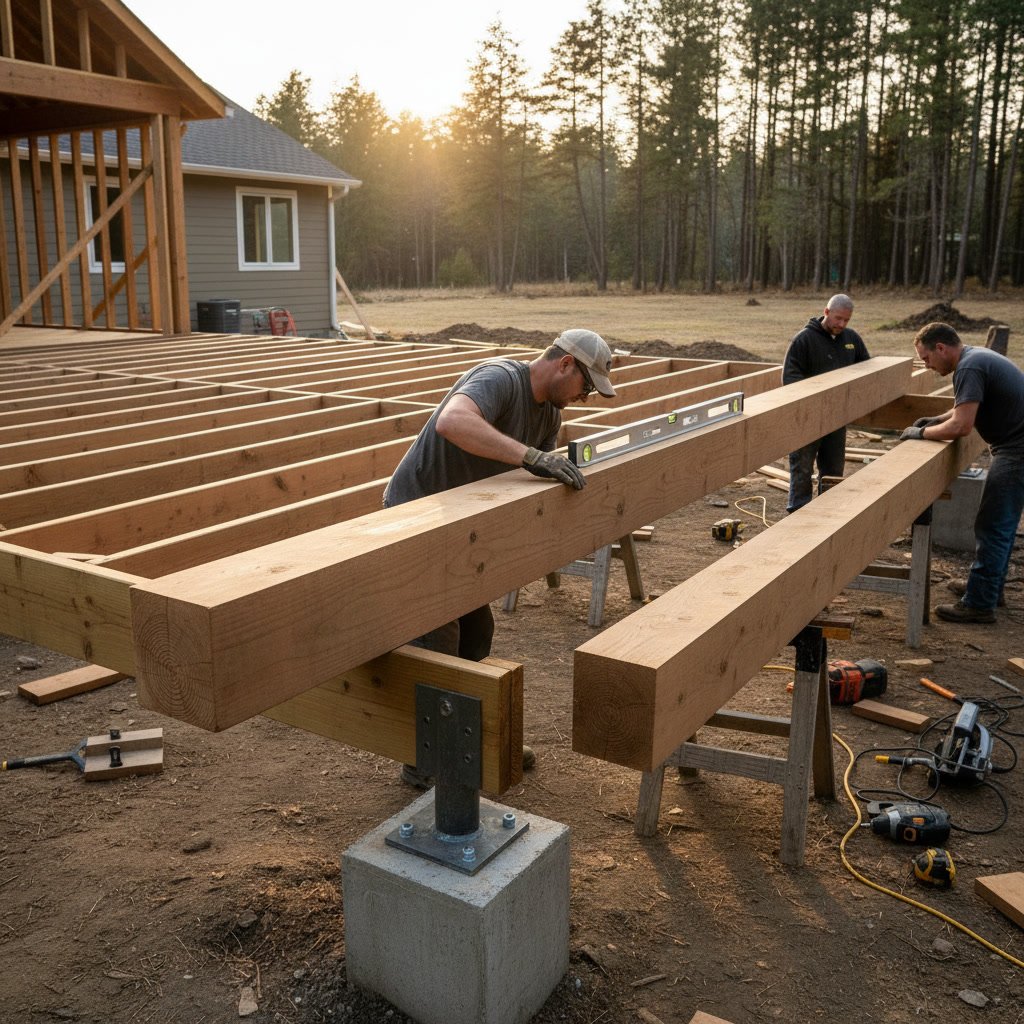
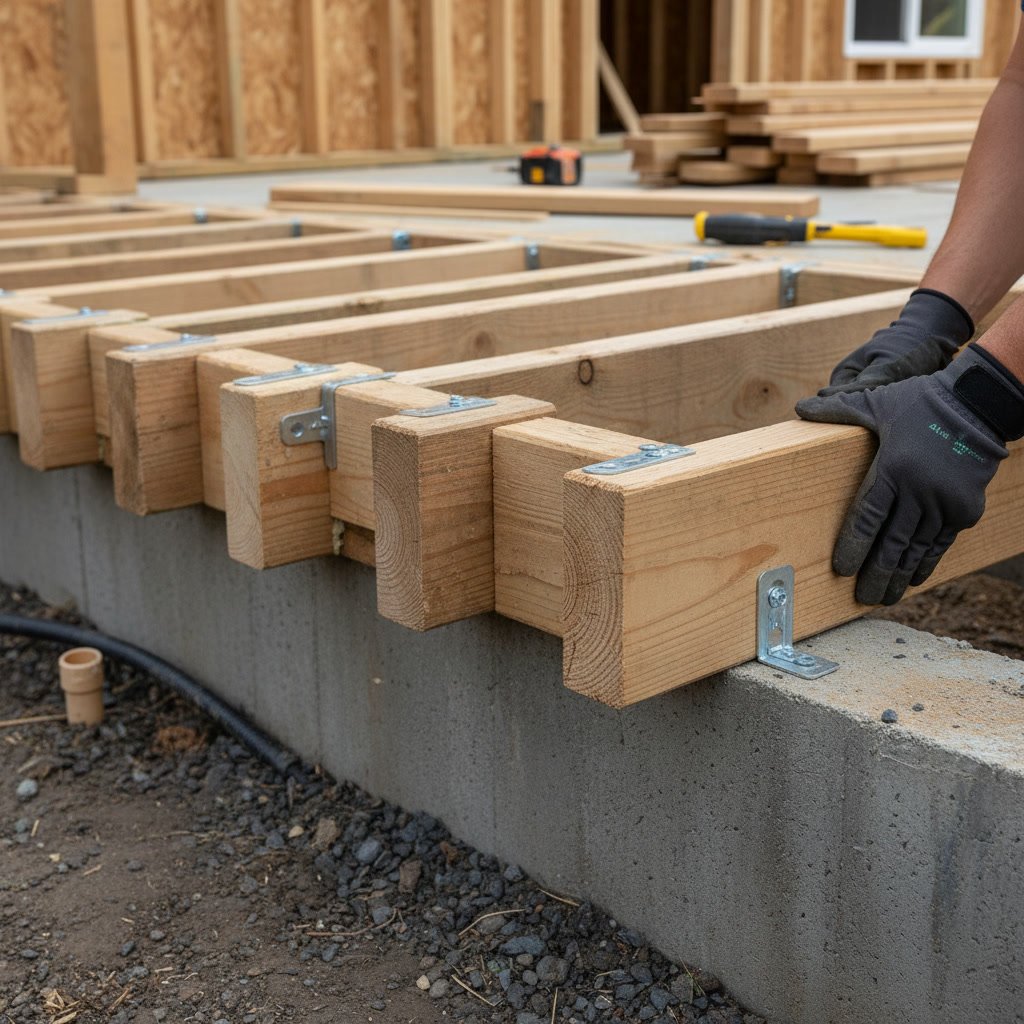
The deck rim joist forms the outer frame of your deck structure, and its attachment method directly determines whether your deck remains securely fastened or separates from the house. When rim joists fail or pull away, the entire deck becomes unstable, creating serious safety hazards and costly structural damage. Proper fastening techniques, blocking methods, and hardware selection prevent these failures and extend the life of your outdoor space by decades.
Understanding the Role of the Rim Joist in Deck Framing
The rim joist runs along the outer edges of your deck, perpendicular to the floor joists. It closes off the ends of the joists and creates the structural box that supports decking boards. This board bears considerable weight from furniture, people, and snow loads, distributing stress across the entire frame. Without a properly secured rim joist, the floor joists can twist, separate, or pull away from the ledger board attached to your house.
Most rim joists measure the same dimension as floor joists, typically two-by-ten or two-by-twelve lumber for residential decks. The rim joist must resist both vertical loads pushing down and lateral forces pulling outward. These forces increase dramatically when people gather near the edge or when wind loads push against railings attached to the rim.
Why Rim Joist Failures Lead to Deck Collapse
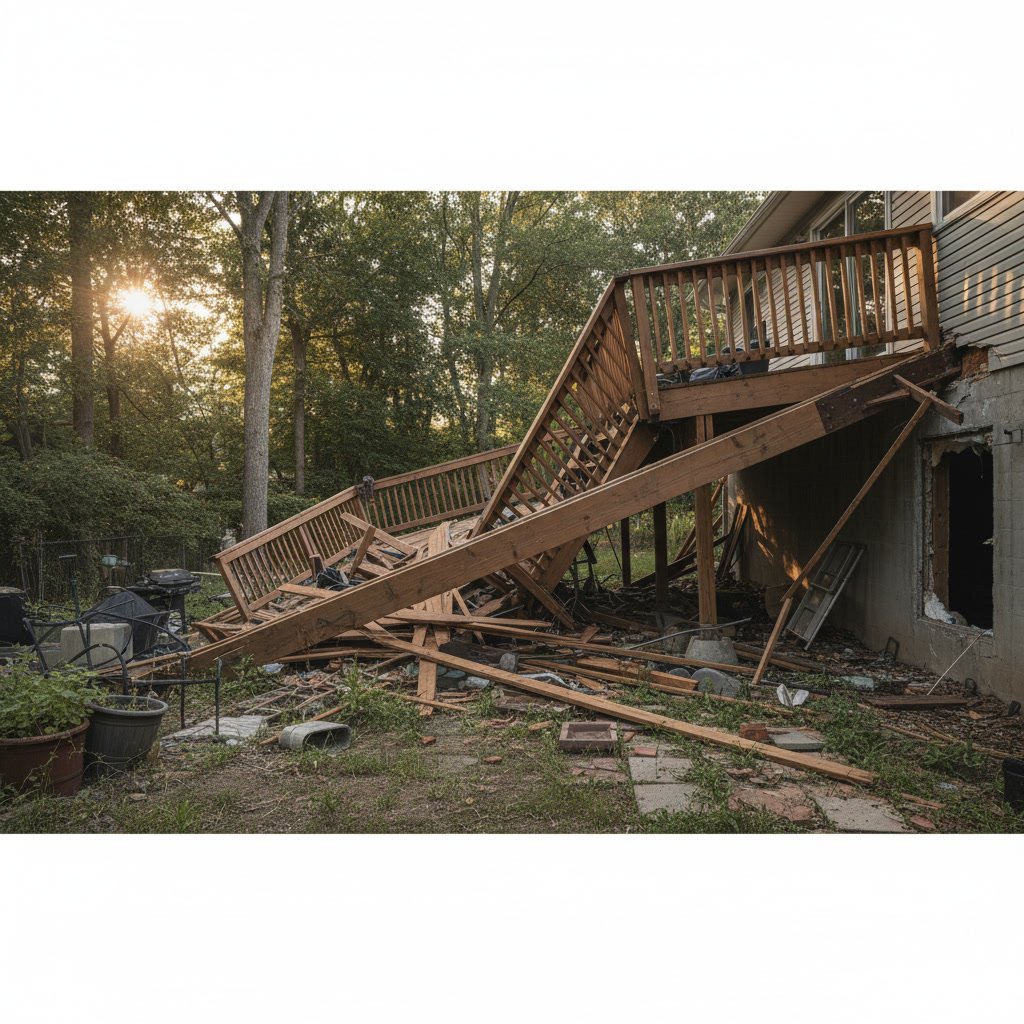
When a rim joist separates from the floor joists, the entire edge of the deck loses its structural integrity. The floor joists twist and rotate because nothing holds their ends in place. This rotation creates a domino effect where one joist failure stresses adjacent joists until the entire section collapses. The rim joist essentially acts as the anchor that keeps everything aligned and stable under load.
Separation typically begins at connection points where fasteners corrode, wood shrinks, or inadequate hardware was used during construction. A single failed connection weakens the entire rim, redistributing stress to remaining fasteners that quickly become overloaded. Early detection of these warning signs can prevent catastrophic failure.
Proper Fastener Selection for Rim Joist Connections
The fasteners you use to attach rim joists to floor joists determine how well the connection resists separation forces. Standard deck screws or nails alone often lack the shear strength needed for this critical connection. Code-compliant installations typically require three 16d galvanized nails or three 3-inch deck screws driven through the rim joist into the end grain of each floor joist.
End-grain connections remain the weakest point in deck framing because wood fibers run parallel to fasteners rather than perpendicular. This orientation reduces holding power by 60 to 75 percent compared to face-grain connections. That’s why blocking and joist hangers become essential for high-load applications or when spanning longer distances.
The Critical Role of Blocking Between Joists
Solid blocking installed between floor joists provides additional fastening surface and prevents joist rotation. These short pieces of lumber, cut to fit snugly between joists, create a stiffening effect across the entire deck frame. When properly installed, blocking transfers loads from the rim joist back through multiple joists rather than concentrating stress at single connection points.
Professional installers place blocking at mid-span for joists longer than eight feet and within two feet of the rim joist on the house end. This placement creates a rigid grid that resists twisting even when individual connections begin to loosen over time. The blocking also provides a more substantial nailing surface than end grain alone.
Joist Hanger Applications for Maximum Strength
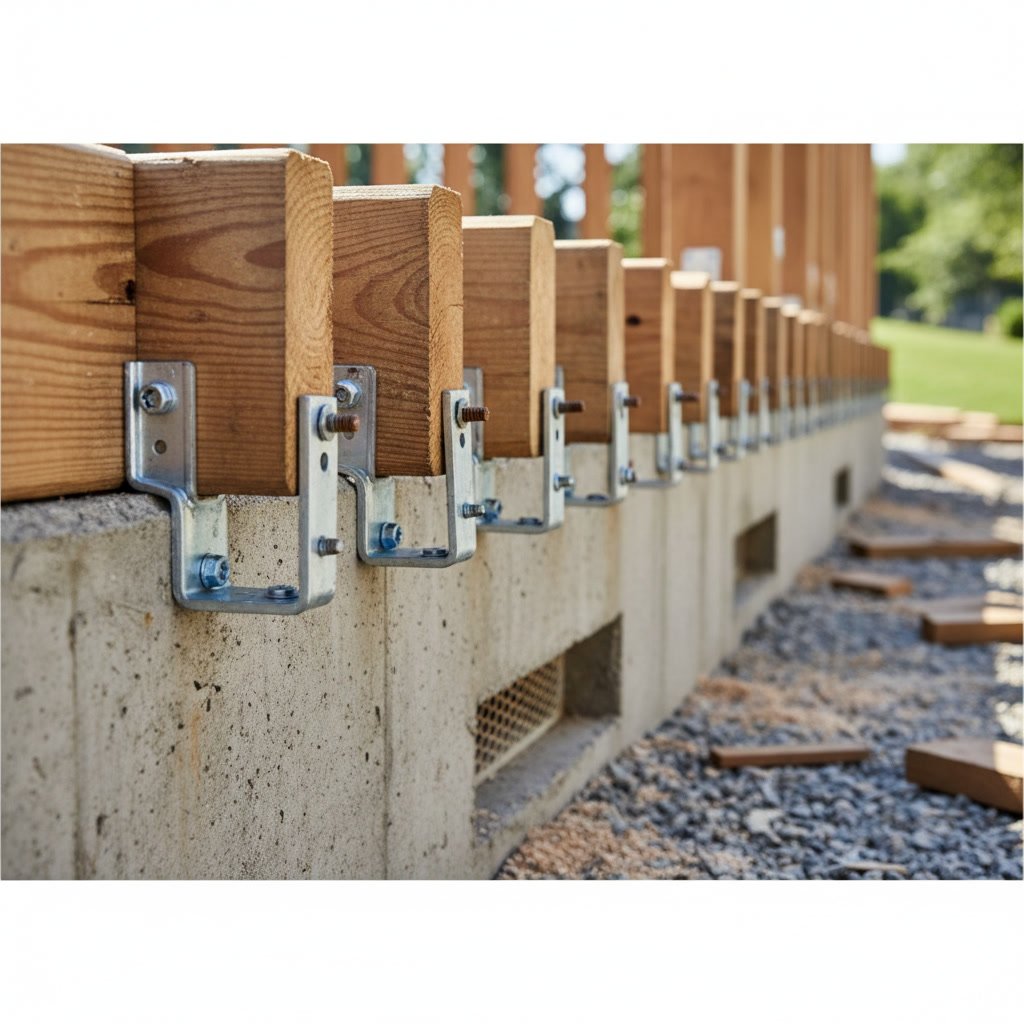
Metal joist hangers eliminate reliance on end-grain connections by wrapping around the joist and fastening into face grain on both sides. These galvanized brackets distribute loads more evenly and maintain their strength even as lumber shrinks and seasons. Hangers rated for your joist size and spacing provide the most reliable connection method for rim joist attachment.
Each hanger requires specific fasteners, typically 10d or 1.5-inch joist hanger nails, to achieve its rated load capacity. Using substitute fasteners or failing to fill every hole compromises the hanger’s performance. The modest additional cost of hangers provides substantial insurance against separation failures that could cost thousands in emergency repairs or personal injury.
How Weather and Moisture Accelerate Rim Joist Failure
Water penetration remains the primary cause of premature rim joist failure. When water enters the connection between rim joist and floor joist, it promotes wood rot and metal corrosion simultaneously. The end grain of floor joists absorbs moisture rapidly, expanding and contracting with weather cycles. This movement loosens fasteners and creates gaps where more water accumulates.
Proper flashing installation above the ledger and careful attention to drainage details protect these vulnerable connections. Ground contact or consistent moisture exposure can destroy a rim joist in five to seven years, while properly protected connections last 30 years or more. Pressure-treated lumber rated for ground contact provides additional protection for rim joists on lower decks prone to splash-back.
Common Installation Mistakes That Compromise Rim Joist Integrity in Minisink
Local building practices sometimes overlook critical details that affect long-term performance. Using untreated lumber for rim joists in contact with masonry or soil guarantees rapid deterioration. Inadequate fastener spacing, typically more than 16 inches between connections, allows excessive movement and stress concentration. Mixing incompatible metals, such as galvanized fasteners with aluminum flashing, creates galvanic corrosion that destroys hardware within years.
Another frequent error involves notching or drilling through rim joists for utilities or drainage without engineering analysis. These modifications reduce the effective cross-section and create stress concentrators where cracks initiate. Professional contractors serving Minisink understand local soil conditions, freeze-thaw cycles, and building code requirements that affect rim joist design and installation.
Inspection Points to Identify Rim Joist Problems Early
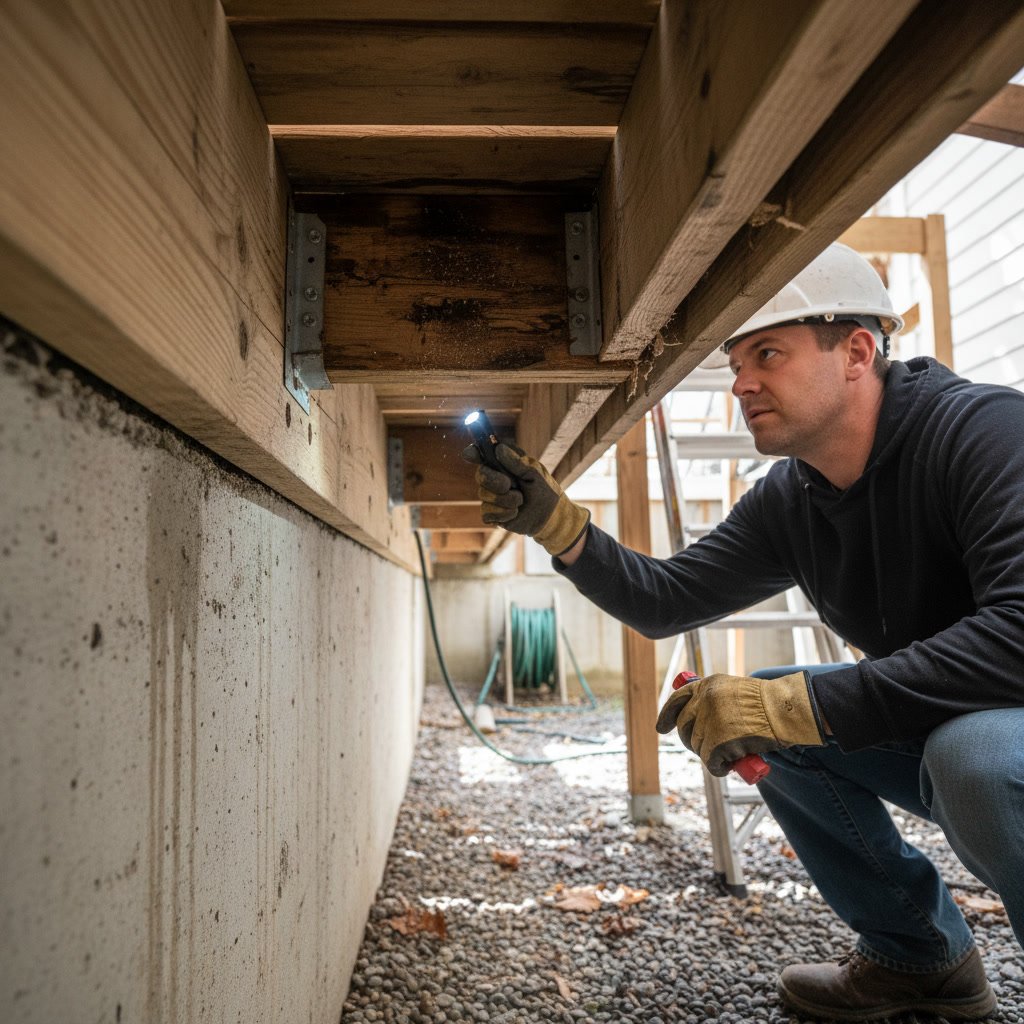
Annual inspections should focus on visible gaps between the rim joist and floor joists, which indicate fastener failure or wood shrinkage. Check for soft spots, discoloration, or fungal growth that signal moisture damage. Look underneath the deck where the rim joist meets posts or beams, as these connection points carry concentrated loads.
Use a screwdriver to probe suspect areas gently. Healthy wood resists penetration, while rotted wood feels soft or crumbles. Visible rust on fasteners or joist hangers indicates moisture problems that require immediate attention. Movement or flexing when you push against the rim joist suggests loose connections that need reinforcement before failure occurs.
Reinforcement Techniques for Existing Rim Joist Connections
Upgrading an existing rim joist attachment typically involves adding joist hangers to supplement or replace inadequate nailing. This retrofit requires temporarily supporting the deck load with jacks while you install hangers on each joist. Sister boards bolted alongside damaged rim joists restore strength without complete replacement when deterioration remains localized.
Structural screws designed for retrofit applications can add significant holding power to loose connections. These screws feature aggressive threads and hardened tips that penetrate aged lumber without pre-drilling. However, screws alone cannot compensate for rotted wood or corroded hangers. When damage exceeds 20 percent of the rim joist cross-section, replacement becomes the only safe option.
Building Code Requirements for Rim Joist Attachment
The International Residential Code specifies minimum fastener sizes, spacing, and hardware ratings for deck construction. These requirements vary based on joist span, spacing, and whether the deck attaches to the house or stands independently. Local amendments sometimes impose stricter standards based on regional snow loads or seismic considerations.
Permit inspections verify that rim joist connections meet code before you cover them with decking. This inspection proves critical because improper connections remain hidden once construction completes. Working with experienced contractors ensures compliance and provides documentation that protects property value and liability exposure. Our Nest Contracting LLC maintains current licensing and stays informed about code updates affecting deck construction throughout the region.
Protecting Your Investment Through Professional Installation
Quality rim joist attachment requires understanding load paths, proper material selection, and precise installation techniques. Small details like fastener placement, blocking layout, and moisture protection determine whether your deck remains safe for decades or requires expensive repairs within years. The difference between adequate and excellent construction often comes down to experience recognizing potential failure points before they develop.
Professional contractors bring specialized knowledge about local conditions, material performance, and proven techniques that prevent common problems. They also carry insurance that protects you if unexpected issues arise during construction. With over 30 years of experience in residential construction, seasoned builders understand how deck components interact and age together over time.
Proper rim joist attachment forms the foundation of safe, durable deck construction. The techniques and hardware you select during initial construction determine whether your deck provides decades of reliable service or becomes a safety liability requiring costly intervention. Investing in quality materials and professional installation protects your family and property value far more effectively than accepting shortcuts that compromise structural integrity.
Our Nest Contracting LLC provides expert deck construction and inspection services throughout the Port Jervis area, backed by three decades of structural experience. If you have concerns about your existing deck or plan to build a new outdoor space, reach out at +18459887059 to schedule a consultation and ensure your deck meets the highest standards for safety and longevity.