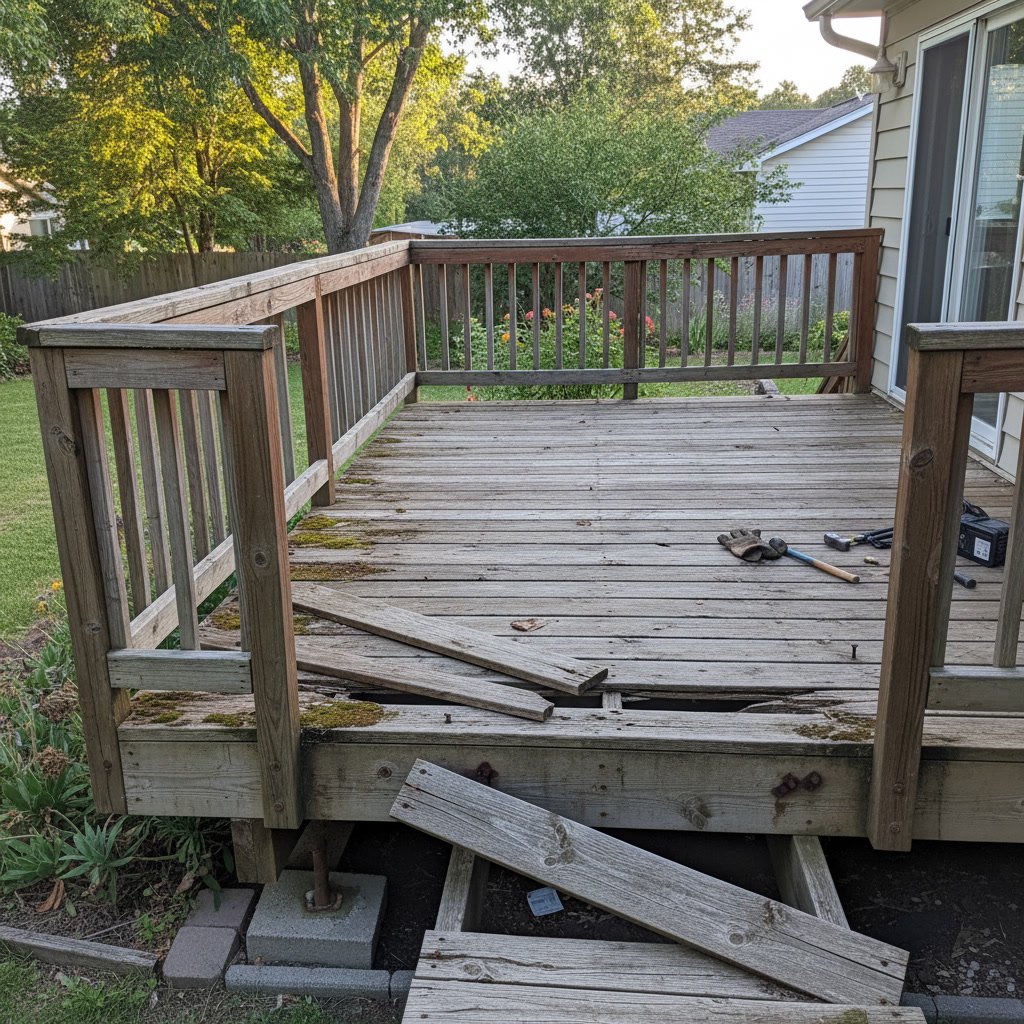
A failing deck shows specific warning signals before it becomes dangerous. Common deck repair signs include soft or spongy boards, loose railings, visible rot or decay, rusted fasteners, and structural sagging. Catching these issues early protects your family and saves money by addressing repairs before a full replacement becomes necessary.
Why Regular Deck Inspections Matter
Most homeowners walk on their decks daily without looking closely at the structure beneath their feet. A deck supports significant weight and endures constant exposure to rain, snow, UV rays, and temperature swings. This relentless exposure breaks down even pressure-treated lumber over time.
Wood decks typically last 10 to 15 years with proper maintenance, while composite materials can extend that to 25 years or more. Without regular inspections, small problems like a loose board or minor rot can spread quickly. A visual check twice per year, in spring and fall, helps you spot trouble before it escalates into a safety hazard.
The Real Cost of Ignoring Warning Signals
A small repair that costs a few hundred dollars today can become a $10,000 replacement project next year. More importantly, deck collapses injure thousands of people annually, often during gatherings when the structure carries maximum load.
Insurance claims for deck failures have increased as aging decks built during the 1990s and early 2000s reach the end of their lifespan. Many of these structures were built before current code requirements for ledger board attachment and post anchoring. If your deck is over 15 years old and has never been professionally inspected, schedule an evaluation soon.
Soft Spots and Spongy Boards
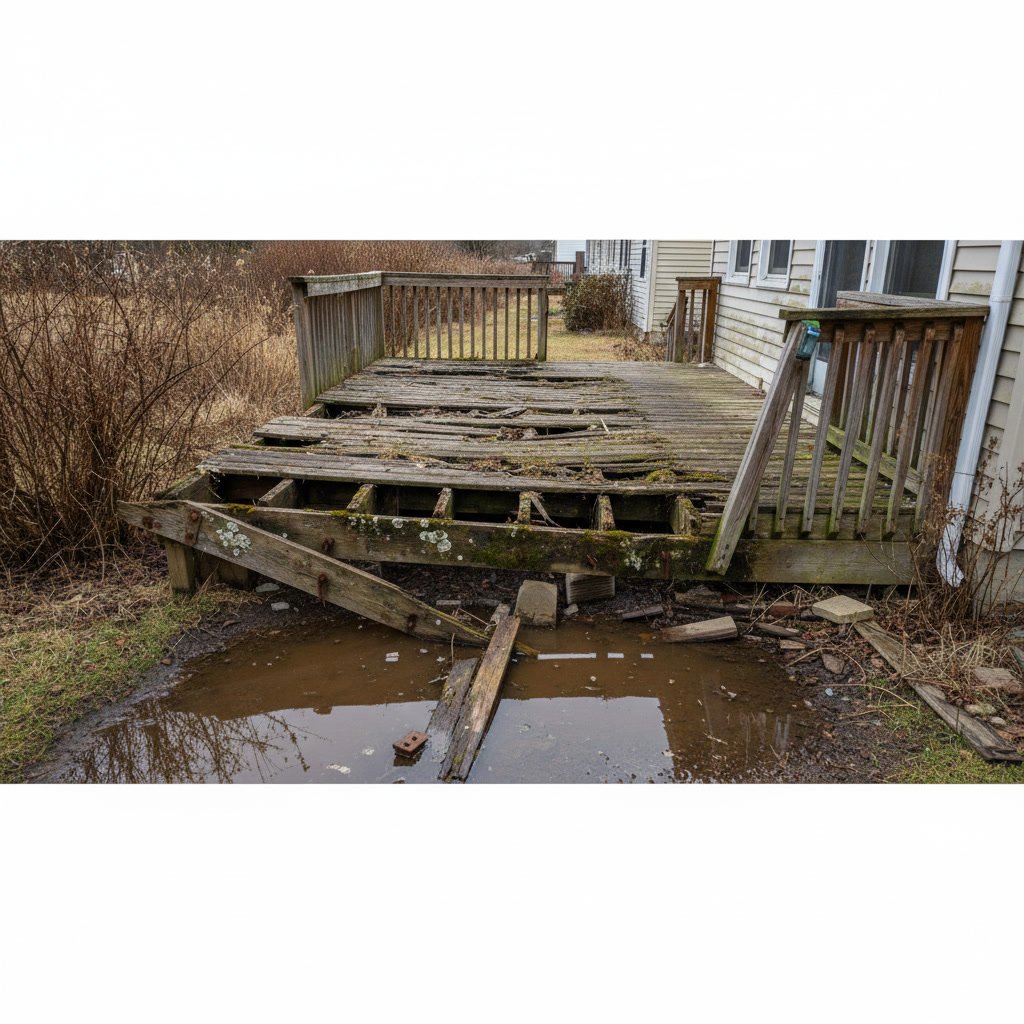
Walk across every section of your deck and pay attention to how it feels underfoot. Healthy lumber feels solid and firm. If you notice any give or bounce beyond normal flex, you may have rot or structural damage below the surface.
Press a flathead screwdriver into deck boards, joists, and posts. Sound wood resists penetration. If the screwdriver sinks in easily, rot has compromised the wood fibers. Check especially around areas that stay damp longer, such as boards near planters, under grills, or in shaded corners where morning dew lingers.
Visible Rot and Wood Decay
Surface discoloration doesn’t always mean structural damage, but it often signals the start of decay. Look for boards that have turned gray or black, developed a fuzzy surface texture, or show signs of splitting along the grain.
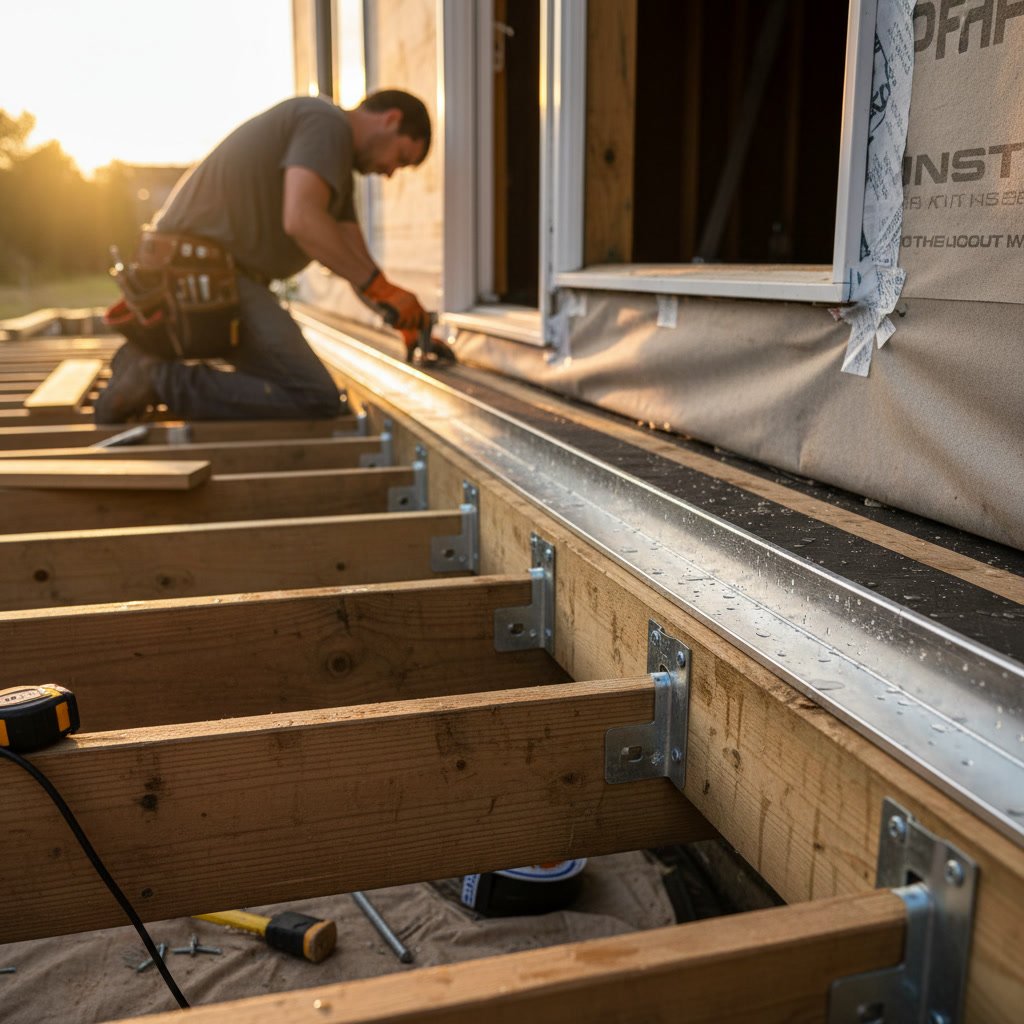
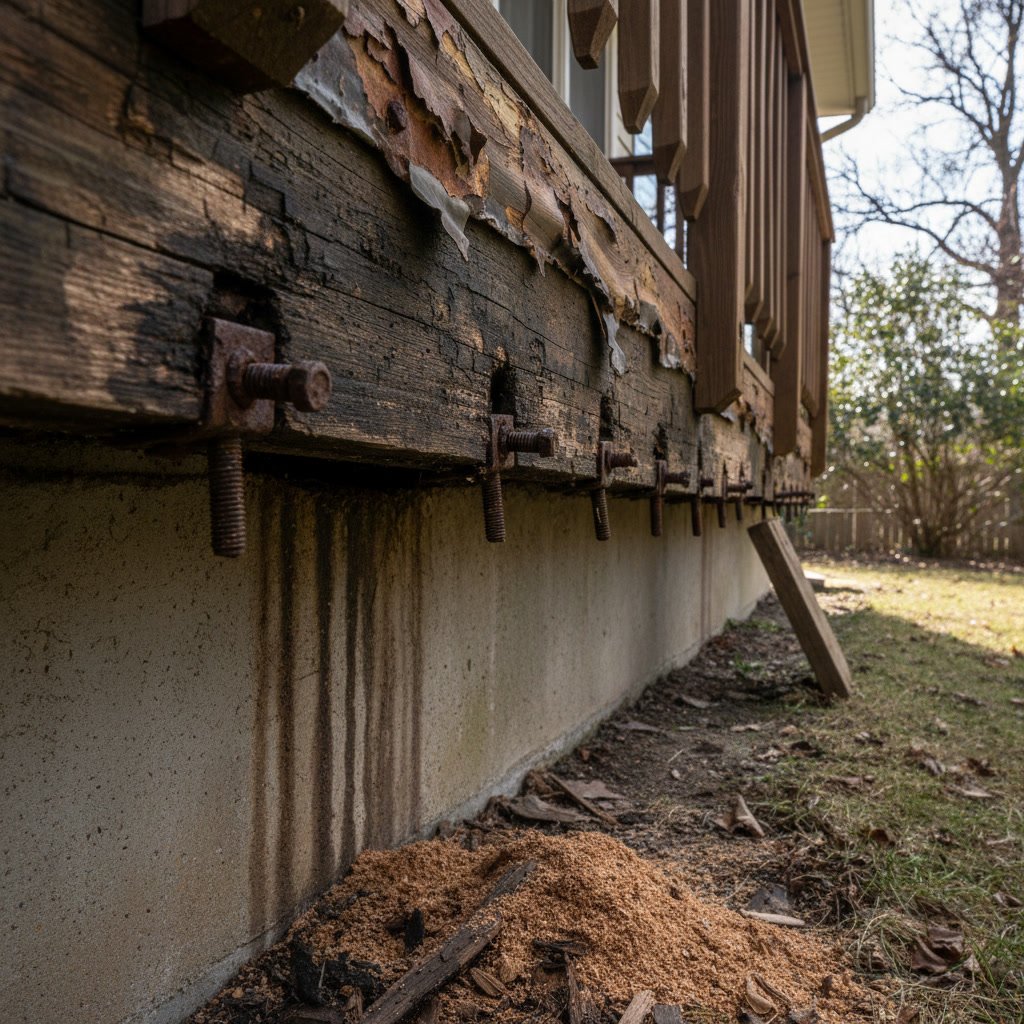
The most dangerous rot hides where water collects and air circulation is poor. Inspect the ledger board where the deck attaches to your house. This connection point bears tremendous load and often traps moisture between the board and the house siding. Pull back any flashing and look for dark staining, soft wood, or powdery residue.
Loose or Wobbly Railings
Grab your deck railing firmly and push hard in both directions. It should not move more than a quarter inch. Loose railings represent an immediate fall risk, especially for children and older adults who use them for balance.
Check where railing posts attach to the deck frame. Many older decks used inadequate fasteners or relied on nails instead of bolts. Modern building codes require through-bolts for all railing posts because they provide much stronger connections than surface-mounted screws or nails.
Rusted Nails and Corroded Hardware
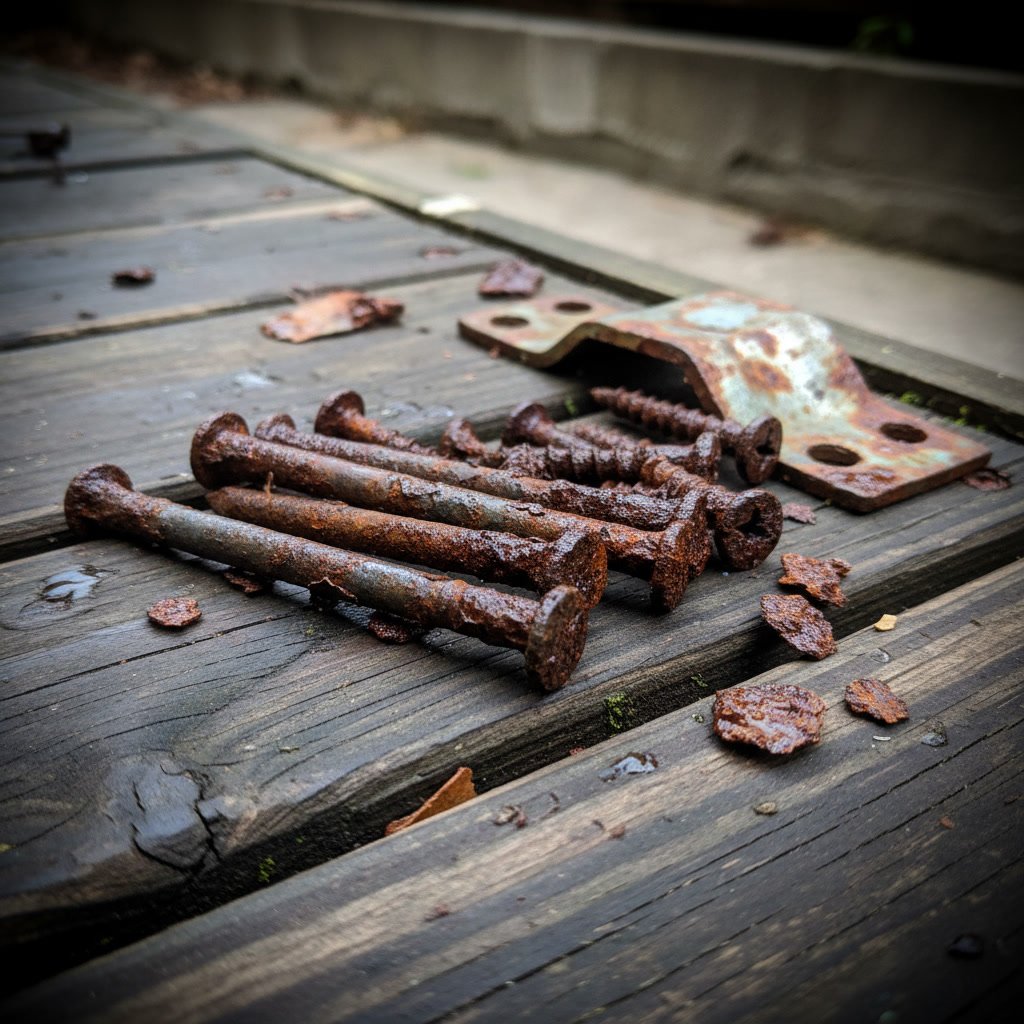
Metal fasteners corrode when exposed to moisture, and that corrosion compromises holding power. Walk beneath your deck with a flashlight and examine the joist hangers, bolts, and brackets. Surface rust on galvanized hardware is normal, but heavy rust that flakes away or leaves orange stains on the wood indicates advanced deterioration.
If you see nail heads popping up above the deck surface, the fasteners have lost their grip. This happens as wood swells and shrinks through seasonal moisture changes. Popped nails create tripping hazards and signal that the boards are no longer securely attached to the joists.
Structural Sagging and Improper Slope
Stand back and look at your deck from multiple angles. The surface should appear level or have a slight slope away from the house for drainage. If you notice dips, waves, or sections that sag noticeably, the support structure has weakened.
Measure the distance from the ground to the deck frame at several points along the perimeter. Variations of more than half an inch suggest that posts have settled unevenly or joists have begun to fail. Sagging indicates your deck can no longer safely carry its intended load.
Deck Repair Warning Signs Homeowners in Minisink Should Watch
The Hudson Valley climate creates specific challenges for outdoor structures. Freeze-thaw cycles through winter cause moisture trapped in wood to expand and contract repeatedly, accelerating splitting and checking. Heavy spring rains followed by humid summers create ideal conditions for mold and rot.
Our Nest Contracting LLC has seen firsthand how quickly decks deteriorate when water management fails. One detail that makes a significant difference is the gap spacing between deck boards. Boards installed too close together trap debris and prevent airflow, keeping the wood damp. Proper spacing of at least an eighth of an inch allows water to drain and wood to dry between rain events.
Step-by-Step Deck Safety Inspection Checklist
Conduct a thorough inspection using this systematic approach:
- Check the ledger board attachment by accessing the connection from inside your basement or crawlspace if possible
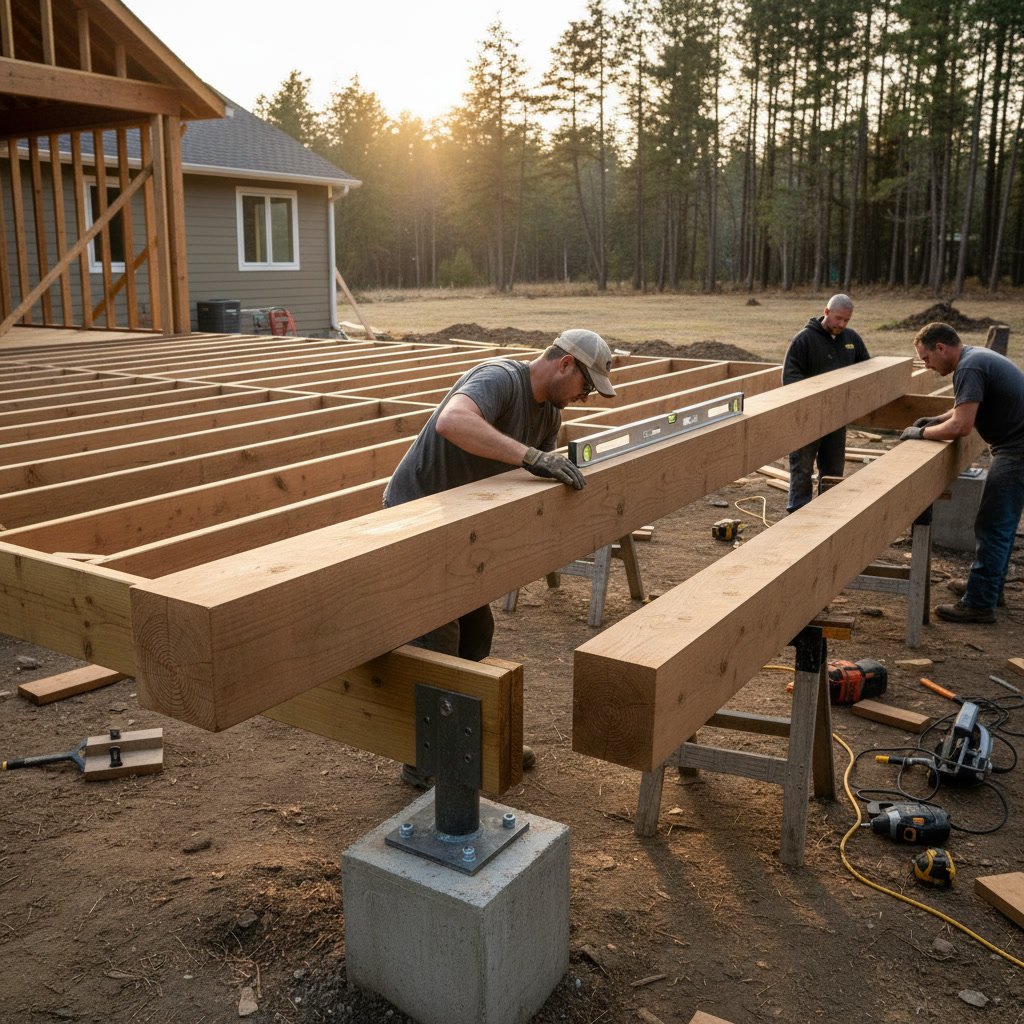
- Inspect every post for rot at the base where it meets the concrete footing or ground contact
- Test all railing sections for movement and examine post connections
- Walk the entire deck surface looking for loose, cracked, or rotted boards
- Examine joist hangers and metal connectors from below for rust or separation
- Verify that flashing exists above the ledger board and remains intact
- Look for signs of insect damage such as small holes or sawdust piles
- Check stairs for stability, secure handrails, and even tread height
Document your findings with photos and notes about specific locations that need attention. This record helps you track how problems progress and provides useful information when discussing repairs with contractors.
When Repair Makes Sense Versus Full Replacement
Isolated damage to a few boards or a section of railing justifies repair. If less than 25 percent of your deck shows problems and the structural frame remains sound, targeted repairs extend the life of your deck for years.
Full replacement becomes the better choice when structural posts, beams, or joists show significant rot or damage. If your deck lacks proper ledger board flashing, uses outdated connection methods, or fails to meet current building codes, replacement allows you to build a safer structure that complies with modern standards.
Protecting Your Investment for Years Ahead
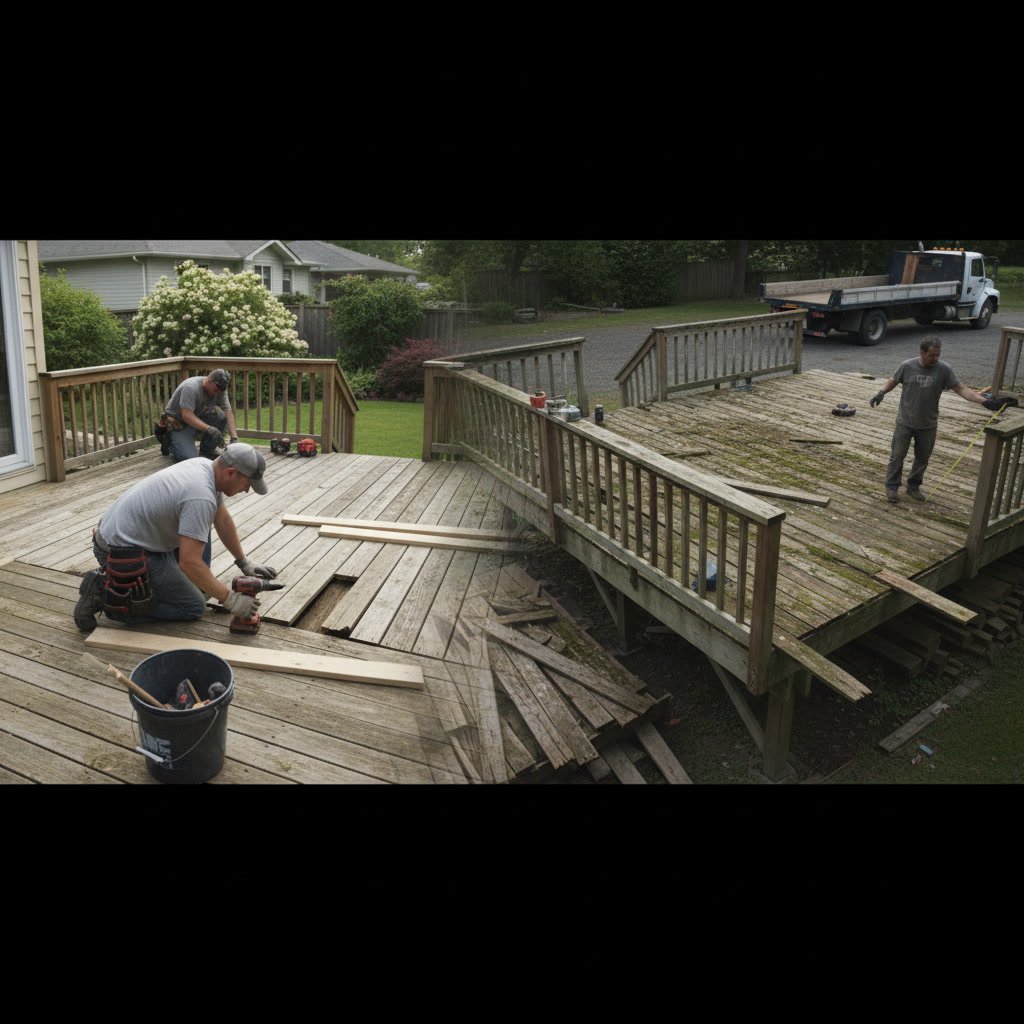
Whether you repair or replace, ongoing maintenance determines how long your deck lasts. Apply a quality water-repellent sealer every two to three years. Clean the surface annually to remove dirt, pollen, and organic debris that trap moisture. Trim back vegetation that blocks airflow under the deck.
Keep gutters clean so water doesn’t overflow onto the deck. Move planters periodically to let the boards beneath them dry. These simple habits prevent most of the common problems that lead to expensive repairs.
Your deck represents a significant investment in your home’s outdoor living space and property value. Recognizing warning signs early prevents minor issues from becoming major safety hazards or costly replacements. Soft boards, visible rot, loose railings, corroded fasteners, and structural sagging all demand prompt attention from experienced professionals who understand proper repair techniques and building code requirements.
Our Nest Contracting LLC brings over 30 years of experience to every deck project in the Hudson Valley region. If you’ve noticed any of these warning signs on your deck, a professional inspection provides clarity about your options and costs. Call +18459887059 to schedule a thorough evaluation and receive a detailed estimate for repairs or replacement that fits your budget and timeline.