Choosing the right decking material affects your home’s value, maintenance needs, and outdoor enjoyment for decades. The material you select determines how much time you’ll spend on upkeep, how long your deck will last, and whether it complements your home’s architecture. Understanding deck material options helps you balance initial investment against long-term performance and align your choice with how you actually use your outdoor space.
Most homeowners spend between $15,000 and $35,000 on a new deck, and the material accounts for 50 to 70 percent of that budget. A poor material choice can lead to premature warping, excessive maintenance, or a deck that doesn’t match your lifestyle needs.
Why Your Material Choice Affects More Than Just Appearance
The decking material you select influences structural requirements, resale value, and ongoing costs for at least 15 to 25 years. Different materials handle temperature extremes differently, which matters significantly in regions with hot summers and cold winters. Some materials retain heat and become too hot to walk on barefoot during July afternoons, while others stay cool even in direct sunlight.
Your material choice also determines what fastening systems work best, whether you need additional structural support, and how your deck ages over time. Natural wood grays without maintenance, composite materials may fade slightly, and PVC products maintain color but can show scratches more visibly than other options.
Understanding Traditional Wood Decking
Pressure-treated lumber remains the most affordable option, typically costing $15 to $25 per square foot installed. Southern yellow pine treated with preservatives resists rot and insect damage for 15 to 20 years when properly maintained. This material requires annual cleaning and staining every two to three years to prevent graying and splintering.
Cedar and redwood offer natural beauty and rot resistance without chemical treatment. These softwoods cost $30 to $45 per square foot installed and provide a premium appearance with natural oils that repel insects. They still require regular sealing to maintain color and prevent weathering, but many homeowners appreciate the rich grain patterns and authentic wood feel underfoot.
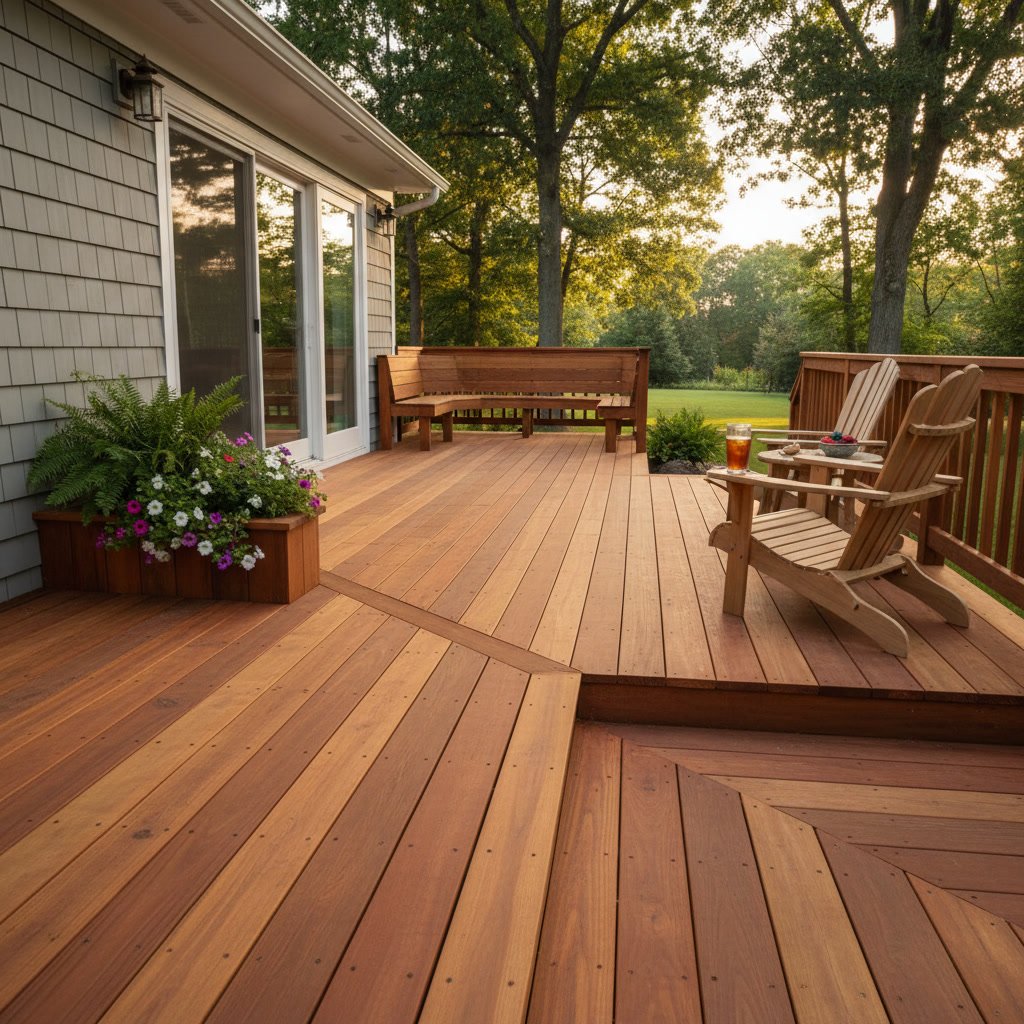
Tropical hardwoods like ipe, cumaru, and tigerwood deliver exceptional durability, lasting 25 to 50 years with minimal maintenance. These dense materials resist scratching, fading, and insect damage naturally. At $50 to $80 per square foot installed, they represent a significant upfront investment but require only occasional cleaning with no staining needed. The density that makes them durable also makes them harder to work with, requiring special drill bits and potentially increasing labor costs.
Composite Decking Performance and Value
Composite materials blend wood fibers with plastic polymers to create boards that resist fading, staining, and splintering. Quality composites cost $35 to $50 per square foot installed and carry warranties ranging from 25 to 50 years. These products never need staining or sealing, requiring only periodic cleaning with soap and water.
Early-generation composites earned a reputation for fading and mold growth, but modern capped composite boards feature a protective polymer shell that addresses these issues. The cap shields the wood-plastic core from moisture and UV damage, maintaining color far better than uncapped products. When comparing composite options, check whether the board is capped on all four sides or only on the top and bottom, as edge capping prevents moisture intrusion at board ends.
PVC and Plastic Decking Characteristics
PVC decking contains no wood fibers, relying entirely on cellular plastic construction. This material resists moisture completely, making it ideal for poolside installations or homes in very humid climates. PVC boards cost $40 to $60 per square foot installed and stay cooler underfoot than composites because they don’t contain heat-absorbing wood fibers.
The all-plastic construction means PVC decking won’t support mold or mildew growth even in damp conditions. However, these boards expand and contract more than composites with temperature changes, requiring careful attention to gapping during installation. Quality PVC products include UV inhibitors and impact modifiers to prevent chalking and cracking over time.
Comparing Maintenance Requirements Across Materials
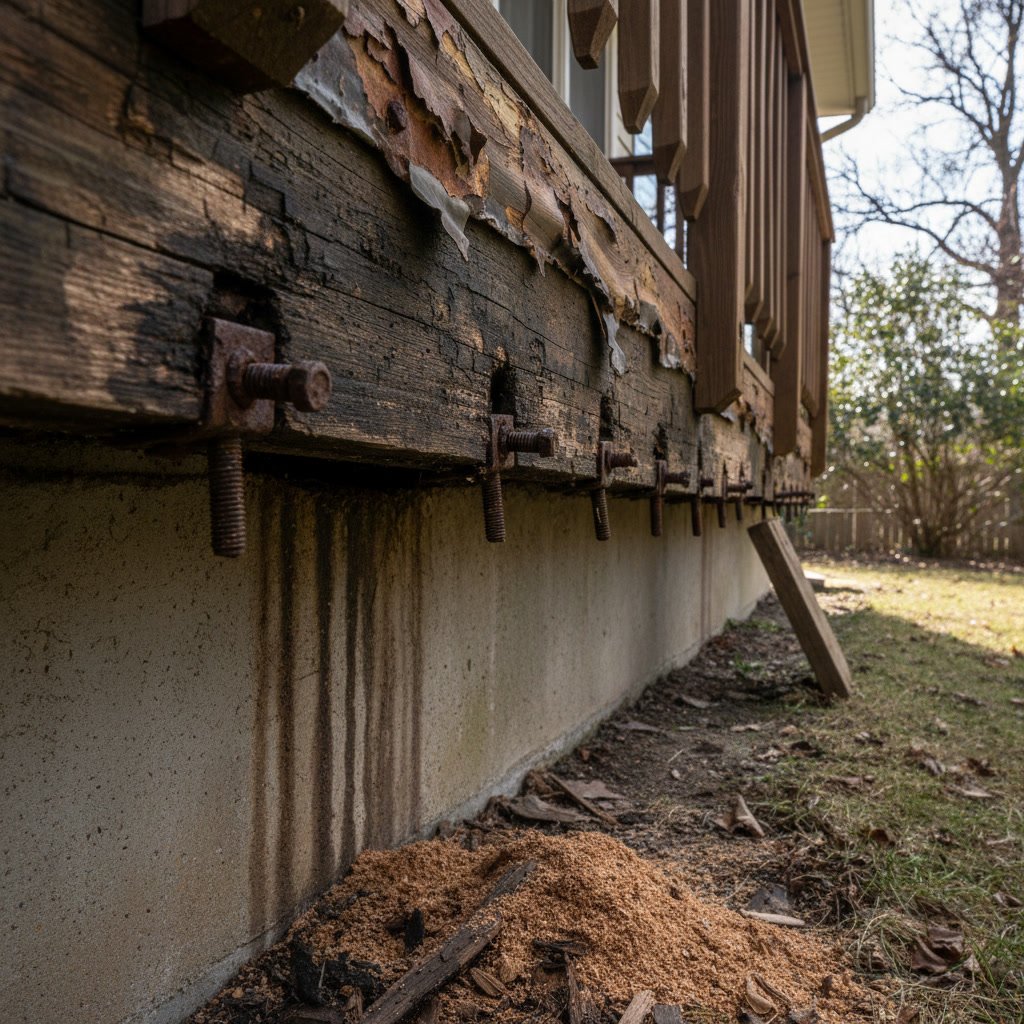
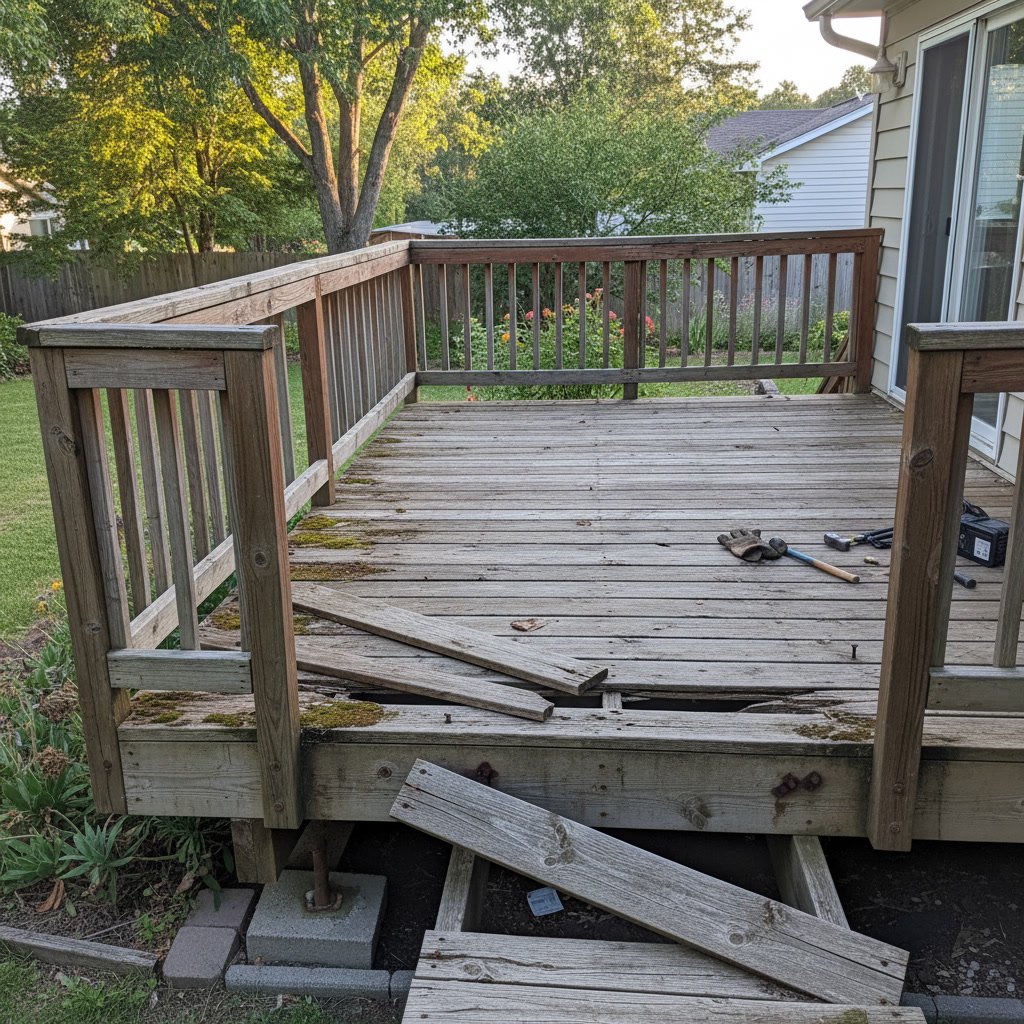
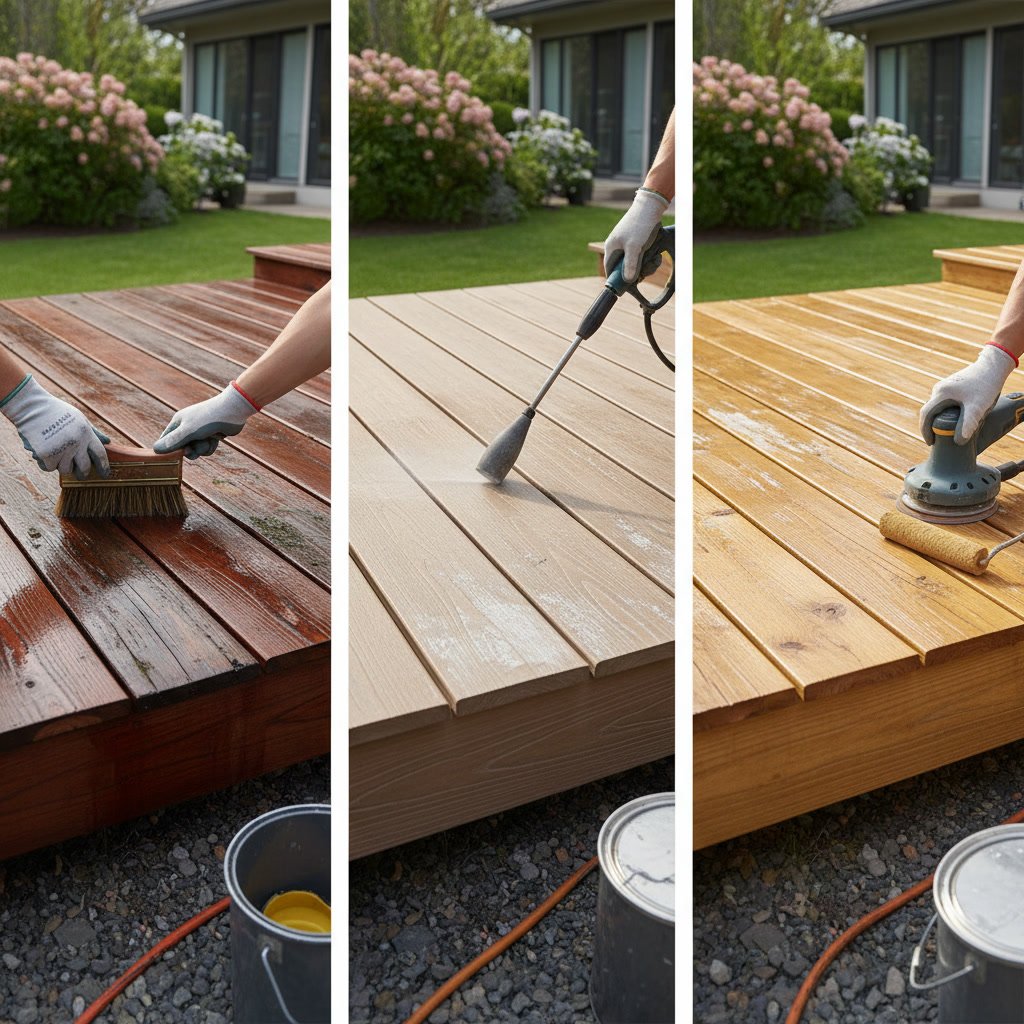
Natural wood demands the most maintenance, requiring annual washing and periodic staining or sealing. Budget three to five hours per year for a 300-square-foot deck, plus material costs of $75 to $150 for cleaning solutions and sealers. Skip this maintenance and the wood will gray, splinter, and deteriorate faster.
Composite and PVC materials need only annual washing with a deck cleaner to remove pollen, dirt, and organic debris. This typically takes one to two hours for the same 300-square-foot deck and costs $20 to $40 in cleaning supplies. Neither material requires staining, sanding, or sealing, saving substantial time over the deck’s lifetime.
Aluminum decking represents the lowest-maintenance option, requiring only occasional rinsing. While less common for residential applications, powder-coated aluminum works well for elevated decks or installations over living spaces where water intrusion concerns exist.
How Climate Impacts Material Selection in Minisink
The Hudson Valley region experiences temperature swings from below zero in winter to above 90 degrees in summer, with significant humidity and precipitation year-round. These conditions favor materials that handle moisture well and resist expansion and contraction.
Pressure-treated wood performs adequately in this climate when maintained properly, but homeowners should expect more frequent staining cycles due to moisture exposure. Composite and PVC options excel in humid conditions, resisting the mold and mildew issues that sometimes plague untreated wood in shaded areas.
Snow and ice require consideration too. Materials with deep grooves or heavy texturing can trap ice, making the deck surface uneven and harder to clear. Smooth or lightly textured surfaces shed snow and ice more easily, reducing winter maintenance and safety concerns.
Budget Planning Beyond Material Costs
Material price per square foot tells only part of the cost story. Installation complexity varies significantly, with dense hardwoods requiring more labor time and specialized tools than softer woods or composites. Hidden fastener systems add $2 to $4 per square foot but create a cleaner appearance without visible screws.
Factor in railing costs separately, as these often represent 30 to 40 percent of total deck expenses. Matching deck board and railing materials creates visual continuity but isn’t required. Many homeowners pair composite decking with aluminum or cable railings to maximize views and minimize maintenance.
Long-term costs shift the value equation. A pressure-treated deck costing $8,000 might require $400 every three years for refinishing, totaling $4,000 over 30 years. A composite deck costing $14,000 might need only $50 annually for cleaning, totaling $1,500 over the same period. When you factor in the time saved on maintenance, higher-end materials often deliver better lifetime value.
Matching Materials to How You Use Your Deck
Your deck’s primary function should guide material selection. Families with young children benefit from splinter-free composites or PVC that stay cooler underfoot. Homeowners who grill frequently appreciate materials that resist grease staining and clean easily.
Entertainment-focused decks see heavy foot traffic and benefit from scratch-resistant materials. Tropical hardwoods and capped composites hold up better to furniture dragging and constant use than softer woods. If you plan to place heavy planters or furniture in fixed locations, consider how different materials handle point loads and moisture trapped beneath objects.
Pets add another consideration. Dogs’ nails can scratch softer materials over time, and areas around water bowls stay wet. Choose materials rated for high scratch resistance and excellent moisture performance if pets will use the deck regularly.
Environmental Considerations and Sustainability
Sustainably harvested wood certified by the Forest Stewardship Council offers renewable material with lower embodied energy than plastic-based products. However, the treatments applied to pressure-treated lumber raise environmental questions, though modern treatments are less toxic than older copper chromium arsenate formulations.
Composite materials incorporate recycled plastics and reclaimed wood fibers, diverting waste from landfills. Quality composites are themselves recyclable at end of life, though recycling programs aren’t universally available. PVC recycling infrastructure is more established, making these products easier to recycle in many areas.
The longest-lasting material often proves most sustainable regardless of composition, as it delays the resource consumption and waste generation associated with replacement. A 40-year ipe deck may have lower lifetime environmental impact than a 15-year pressure-treated deck replaced twice.
Working With Experienced Contractors
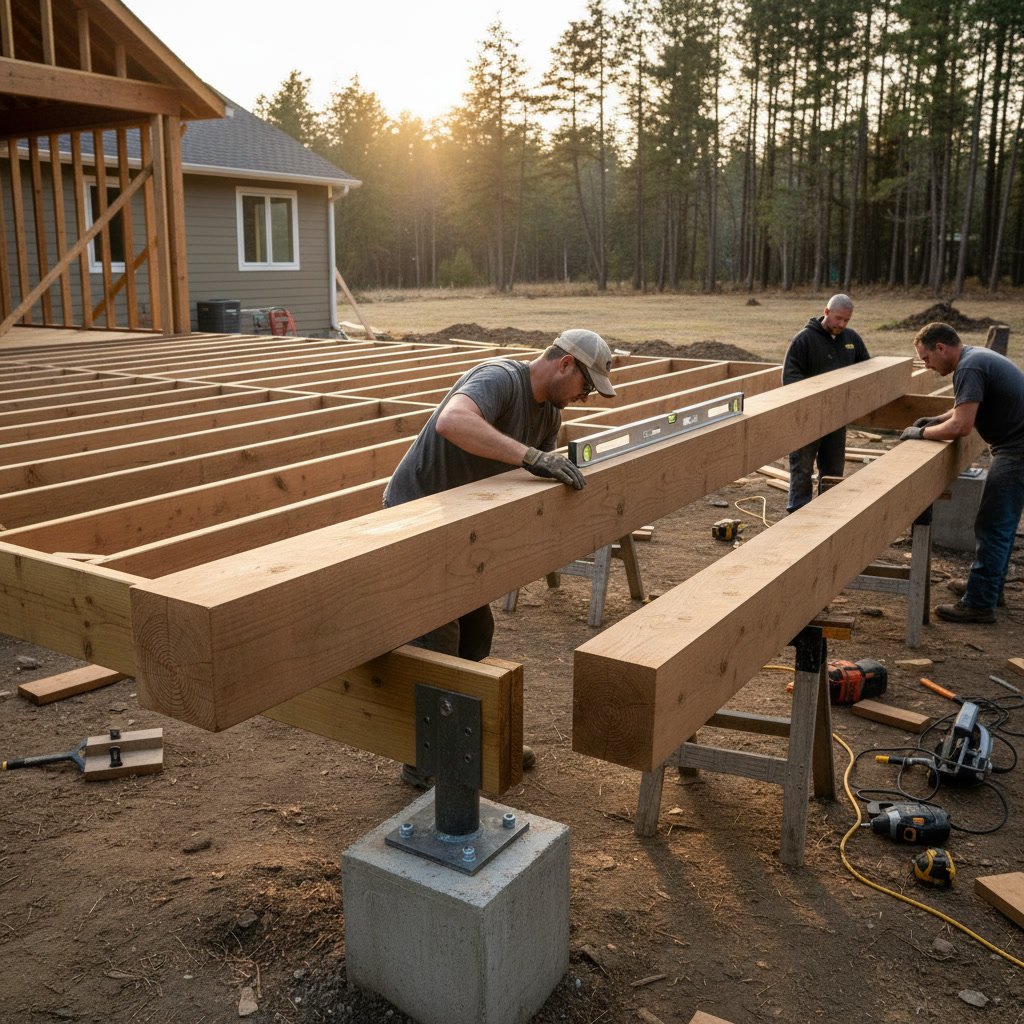
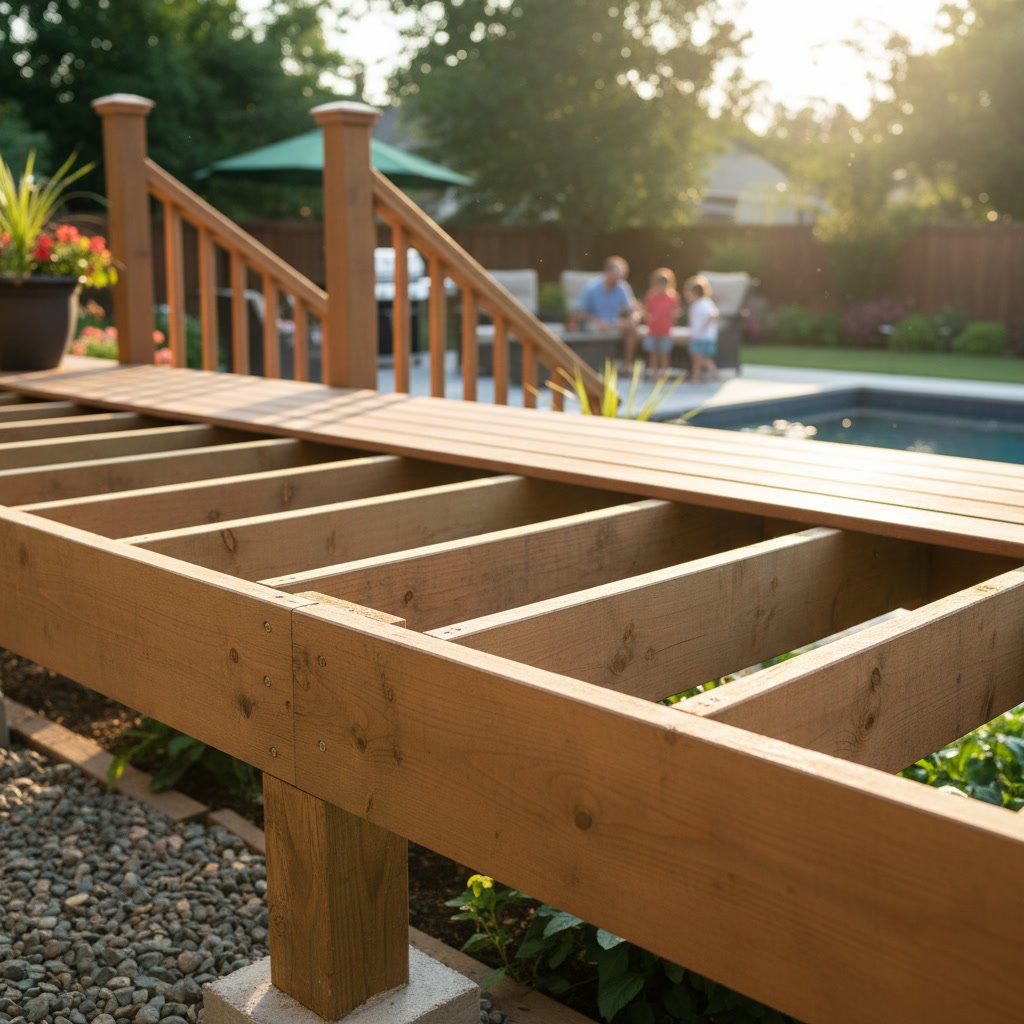
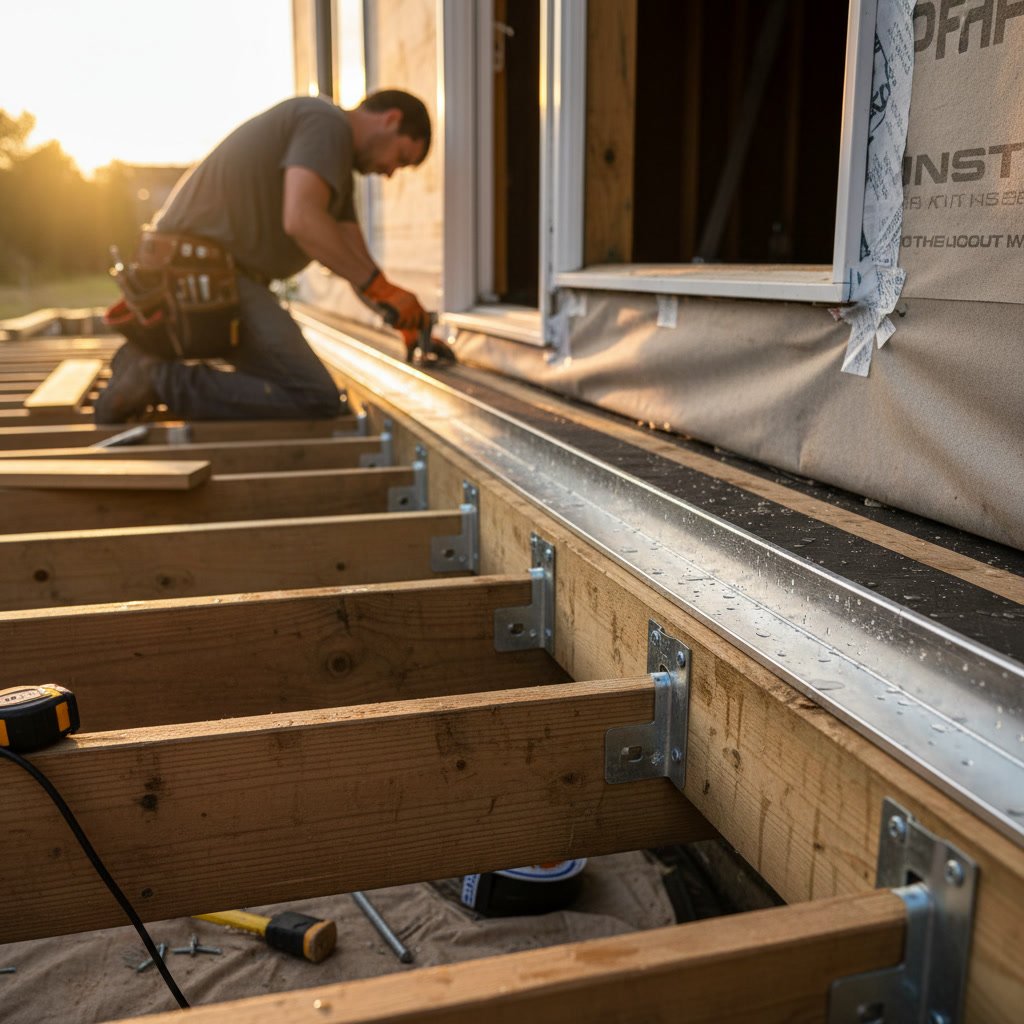
Material selection represents just one part of successful deck construction. Proper installation matters as much as material quality. Incorrectly spaced joists, inadequate ventilation beneath the deck, or improper fastening cause premature failure regardless of material choice.
Experienced contractors understand how different materials behave during installation and over time. They know that composite boards require specific gapping to accommodate thermal expansion, that hardwoods need pre-drilling to prevent splitting, and that certain fastener types work better with particular materials. Our Nest Contracting LLC brings more than 30 years of deck building experience to projects throughout the region, ensuring proper material selection and installation techniques.
Ask potential contractors about their experience with your preferred material. A builder who primarily works with pressure-treated lumber may not understand the nuances of installing capped composite or PVC products. Request examples of previous projects using the same material you’re considering.
Making Your Final Material Decision
Start by determining your budget range, then identify which materials fall within it. Create a short list of two or three options that meet your financial constraints. Next, compare these materials on maintenance requirements, expected lifespan, and aesthetic preferences.
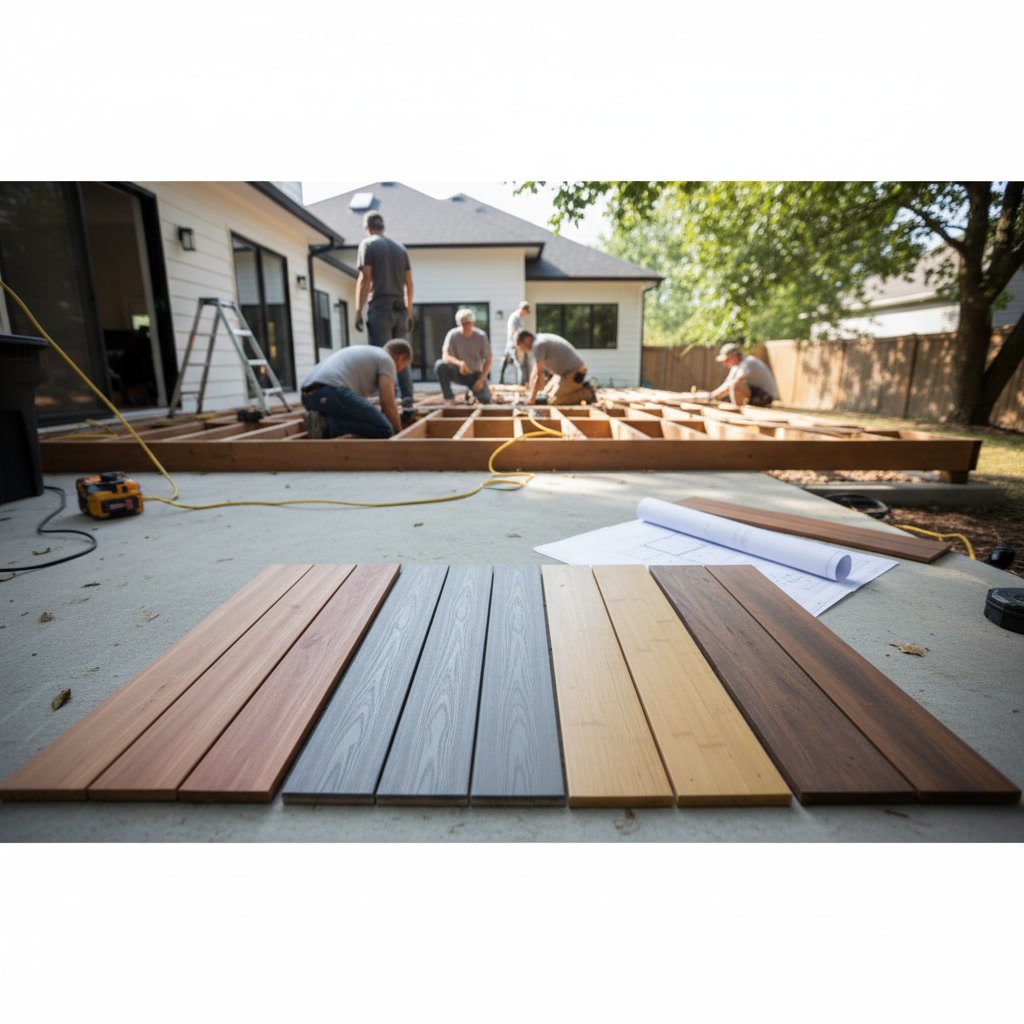
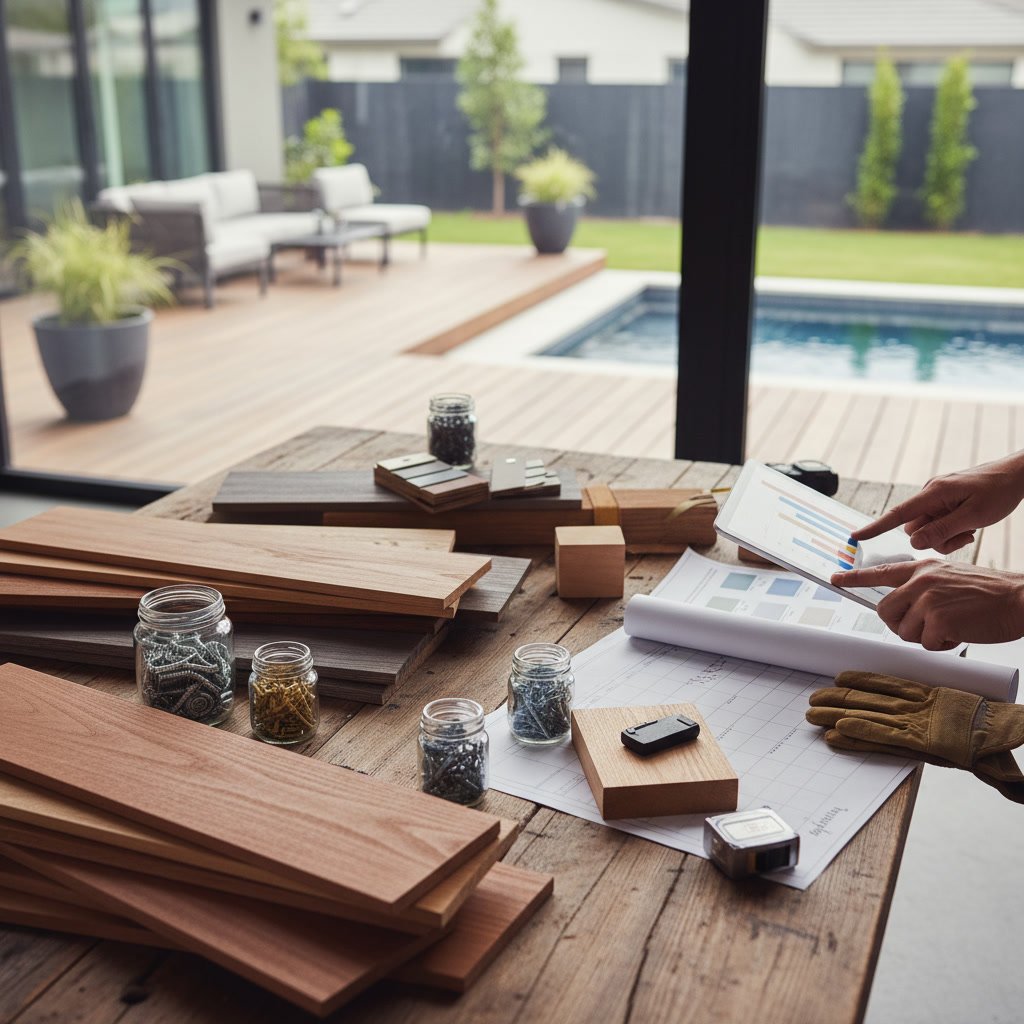
Request samples of your top choices and place them in your yard for a few days. Observe how they look in different lighting conditions, how hot they get in direct sun, and whether the color and texture appeal to you. Walk on the samples barefoot to assess comfort and surface temperature.
Calculate total cost of ownership over 20 years, including maintenance time and materials. This longer view often reveals that mid-range materials deliver the best balance of upfront cost, maintenance burden, and longevity. The cheapest initial option rarely proves most economical over time.
When you’re ready to move forward with your deck project, working with a contractor who understands local conditions and has extensive experience with your chosen material ensures the best results. Our Nest Contracting LLC serves homeowners throughout the Hudson Valley with professional deck construction backed by three decades of hands-on expertise. Whether you choose traditional wood, modern composites, or low-maintenance PVC, proper installation and attention to detail make all the difference in how your deck performs for years to come.
Reach out to discuss your deck project and get expert guidance on selecting the right material for your specific needs, budget, and property. Call +18459887059 to schedule a consultation and free estimate.