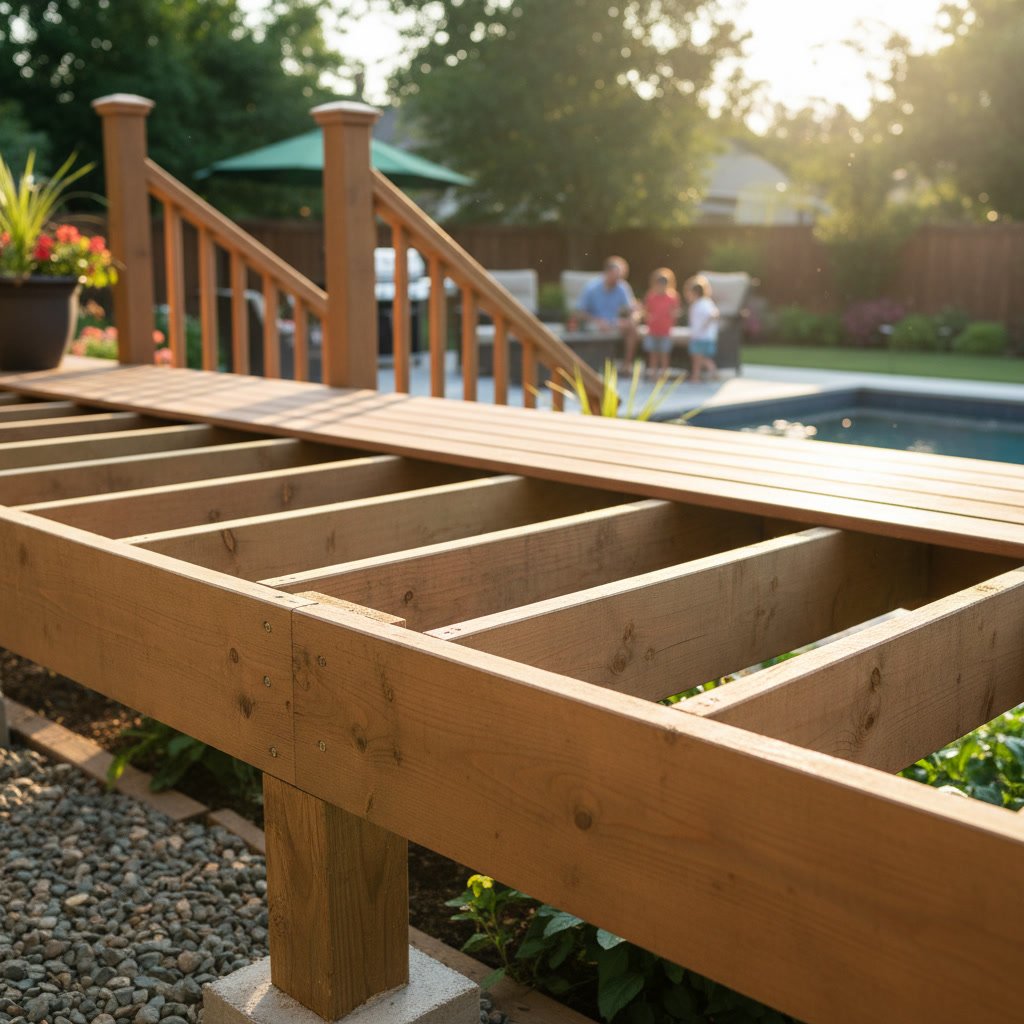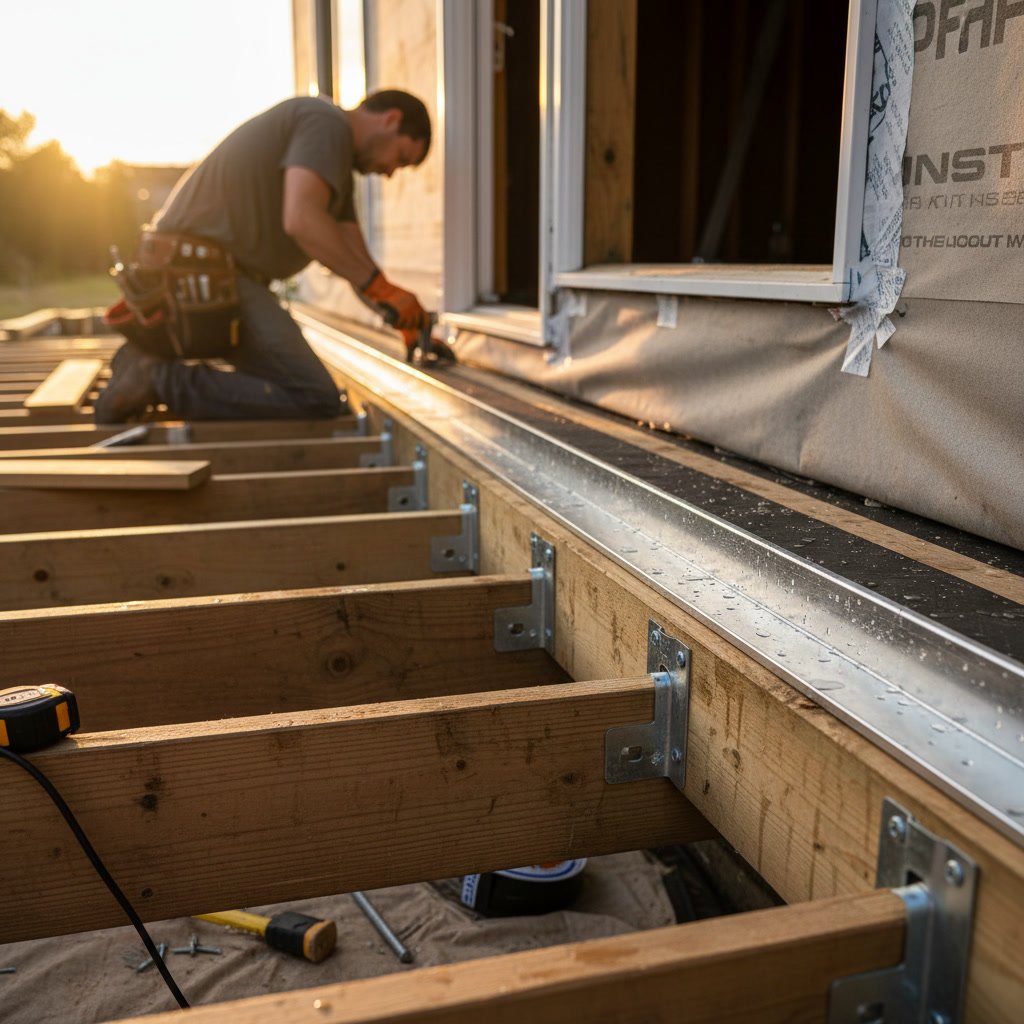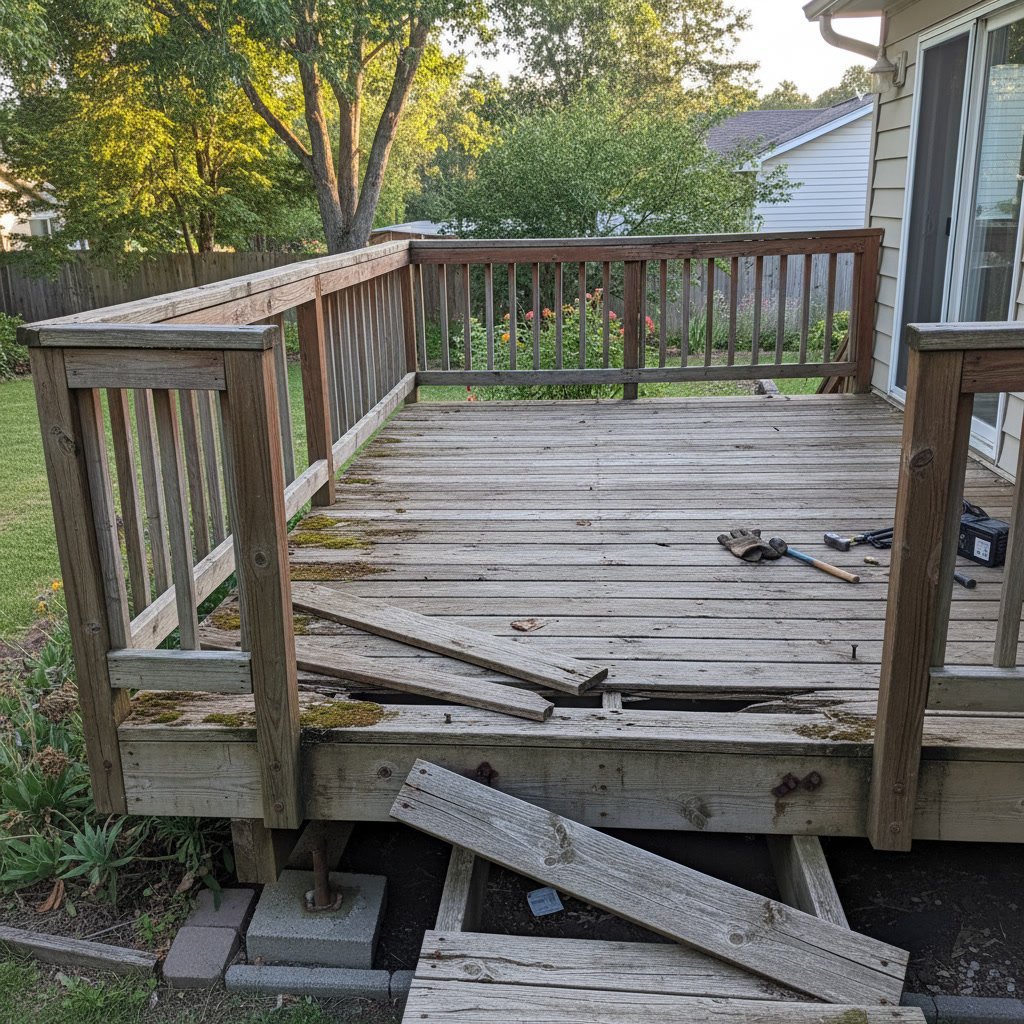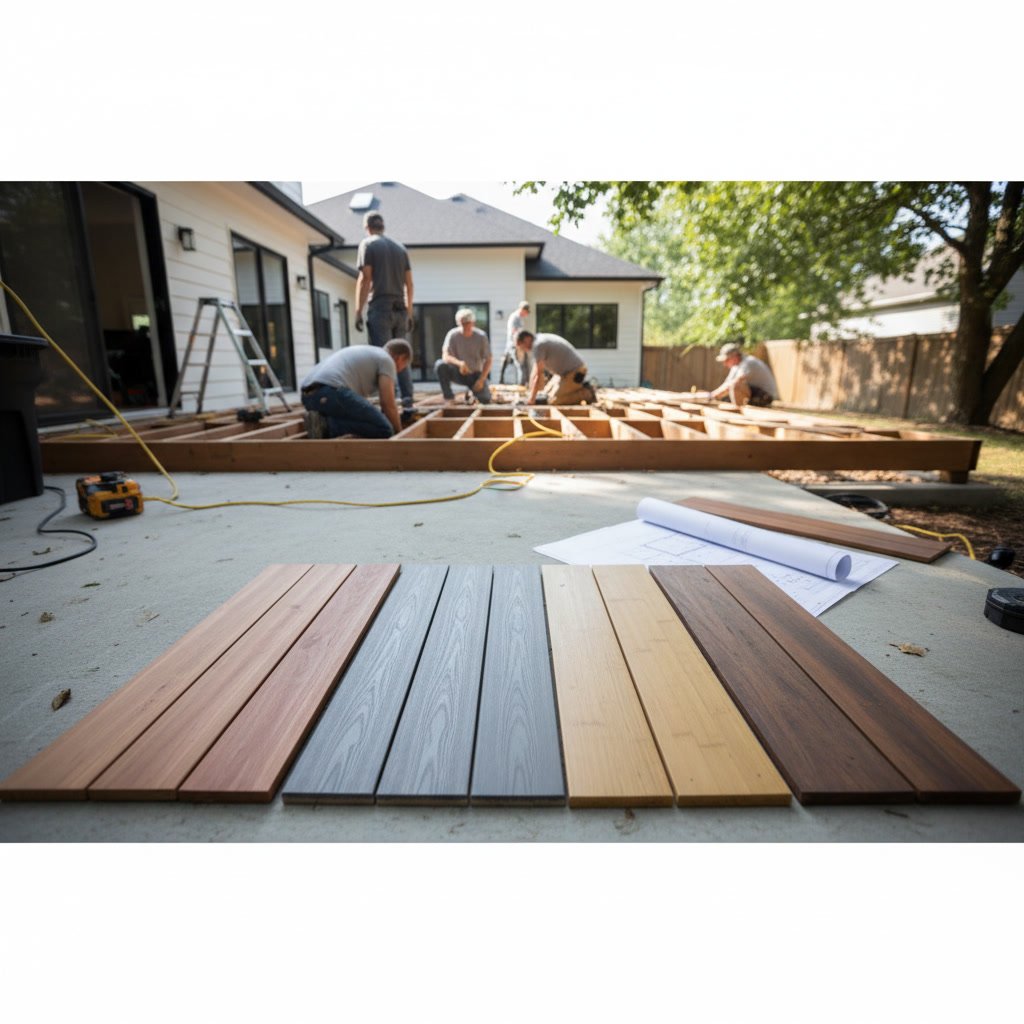

Deck post anchors create a rigid connection between vertical support posts and the ground, preventing lateral movement, frost heave, and settling that can compromise your deck’s structural integrity over time. These steel or galvanized metal brackets transfer the weight of your deck and everything on it directly into concrete footings or the earth, keeping posts firmly positioned even under significant loads or seasonal ground shifts. Without proper anchoring, posts can shift, twist, or sink, leading to dangerous structural failure.
Why Post Stability Matters for Deck Longevity
A deck is only as stable as its foundation. Vertical posts bear the entire weight of the structure, including decking boards, railings, furniture, and people. When posts move even slightly, the entire frame shifts with them. This movement stresses connections between joists and beams, loosens fasteners, and creates gaps that accelerate rot and decay.
Most deck collapses trace back to foundation problems. Posts that settle unevenly create unlevel surfaces and compromise railing attachment points. Over time, this instability can cause catastrophic failure, especially during gatherings when weight loads increase dramatically.
The Engineering Behind Post Anchor Systems
Post anchors function as mechanical connectors that lock vertical lumber into a fixed position. The anchor attaches to a concrete footing using either embedded J-bolts cast into wet concrete or expansion anchors drilled into cured concrete. The post sits inside the anchor bracket, held by through-bolts or structural screws that penetrate both the post and the bracket walls.
This creates what engineers call a moment connection, which resists rotational forces. When wind pushes against your deck or someone leans on a railing, the anchor prevents the post base from pivoting. The concrete footing must extend below the frost line, typically 42 inches deep in northern climates, to avoid heave from freezing soil expansion.

Four Common Types of Post Anchors and Their Applications
Adjustable post bases feature slotted mounting holes that allow minor positioning changes after concrete cures. These work well when exact post locations are difficult to predict during footing placement. They accept 4×4 or 6×6 posts and elevate the wood one to two inches above the concrete surface.
Fixed standoff anchors provide no adjustment but offer maximum lateral strength. The post sits in a rigid bracket with no play, ideal for heavy-duty applications or locations with high wind exposure. They lift the post bottom clear of moisture and debris.
Embedded post anchors cast directly into wet concrete create the strongest connection. The post sits in a galvanized sleeve that becomes permanently bonded to the footing. This method requires precise placement during the concrete pour.
Ground-spike anchors drive directly into firm soil without concrete, suitable only for lightweight shed foundations or temporary structures. These should never support elevated decks where failure could cause injury.
How Anchors Prevent Three Types of Destructive Movement
Lateral shift occurs when horizontal forces push posts sideways. Wind load, uneven snow accumulation, or people leaning on railings create these forces. An anchor’s U-shaped bracket surrounds the post on three or four sides, physically blocking sideways movement. The through-bolts shear resistance prevents the post from sliding within the bracket.
Frost heave happens when soil moisture freezes, expands, and lifts everything above it. Footings below the frost line stay stable because surrounding soil never freezes. The anchor transfers this stability to the post, keeping it at a constant height year-round.
Settling occurs as soil compacts under load or erodes away. Posts bearing directly on soil will gradually sink, but posts anchored to properly sized concrete footings distribute weight across a larger area. A 12-inch diameter footing spreads the load of a 6×6 post across 113 square inches instead of 36, reducing ground pressure by more than 70 percent.
Proper Installation Steps for Maximum Hold Strength
Footing diameter and depth determine anchor performance more than the anchor itself. Local building codes specify minimums based on soil type and deck size. Clay soils require larger footings than sandy soils because clay has lower bearing capacity.
Anchor bolts must penetrate at least seven inches into concrete for residential applications. J-bolts get positioned while concrete remains workable, using a template to ensure correct spacing. The threaded end projects far enough above the cured surface to accommodate the anchor base plate, washer, and nut with several threads remaining visible after tightening.
Post treatment matters as much as anchoring method. Even pressure-treated lumber absorbs water through end grain. Sealing the post bottom with multiple coats of wood preservative before installation dramatically extends service life. The standoff gap between post and concrete allows airflow that helps dry moisture before rot fungi establish.

Building Code Requirements in Minisink and Surrounding Areas
New York State residential building codes mandate specific anchor installation standards. Posts supporting elevated decks must connect to footings using approved metal connectors. Direct burial of posts, once common practice, no longer meets code in most municipalities.
Inspectors verify that anchor bolt size matches the manufacturer’s specification for the anchor model used. Undersized bolts reduce hold-down capacity and lateral resistance. Most residential deck anchors require half-inch diameter bolts, but heavy-duty models may specify five-eighths inch.
The relationship between proper joist spacing and deck safety extends to foundation work as well. Post spacing determines the beam span, which affects load concentration at each footing. Closer post spacing reduces individual footing loads but increases the number of anchors required.
Signs Your Existing Anchors Are Failing
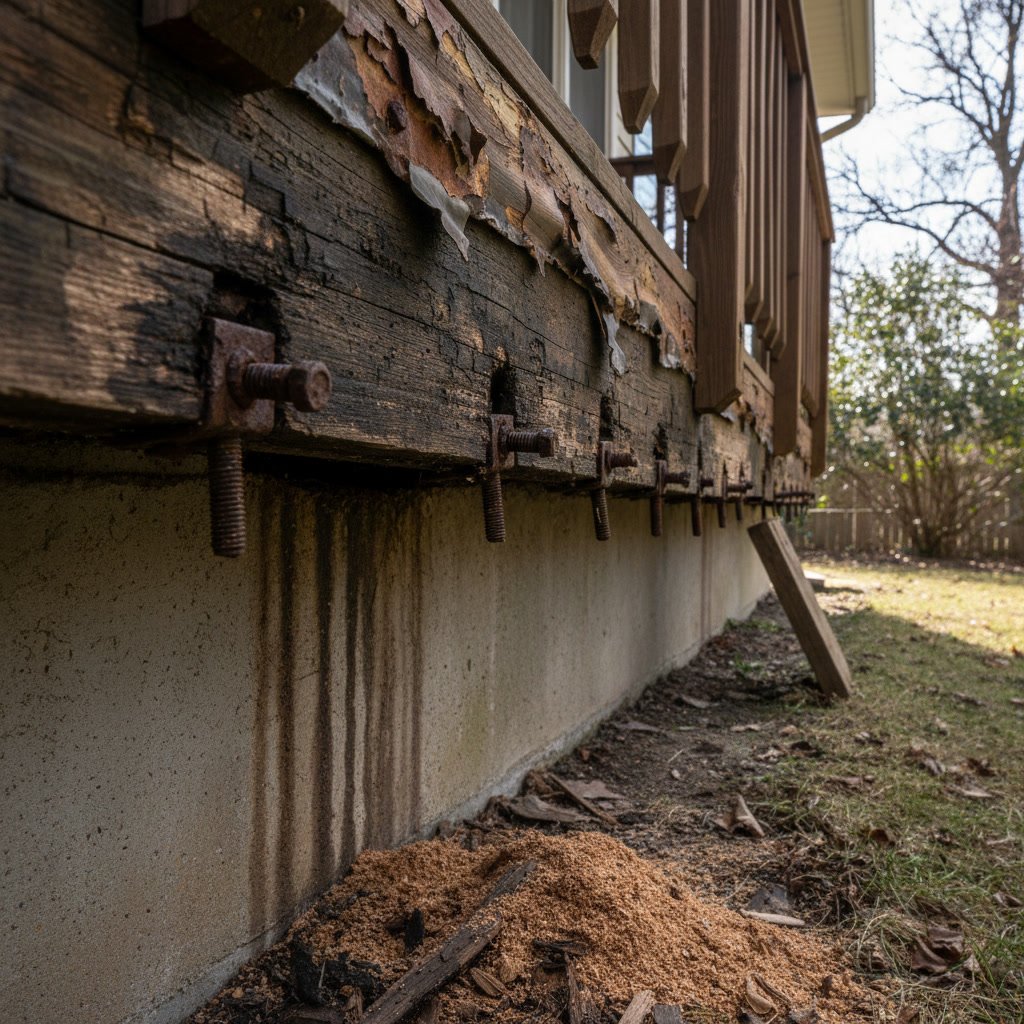
Rust stains on concrete near the anchor indicate corrosion. Galvanized coatings eventually wear through, especially in coastal areas or where de-icing salt runoff contacts metal. Severe rust weakens the steel and compromises holding strength. Posts may appear stable until sudden failure occurs under load.
Gaps between the post and anchor bracket show the wood has shrunk or the connection has loosened. Seasonal moisture cycles cause dimensional changes in lumber. If through-bolts no longer grip tightly, the post can rock within the bracket. Retightening may help temporarily, but persistent loosening indicates undersized fasteners or deteriorated wood.
Cracks radiating from anchor bolts in the concrete footing signal overload or improper installation. Bolts placed too close to the footing edge create stress concentrations. As cracks widen, bolt hold weakens until the anchor pulls free. This represents a serious safety hazard requiring immediate professional evaluation and structural repairs.
Comparing Post Anchor Performance to Direct Burial Methods
Older decks often have posts set directly in concrete or buried in soil. This method seems simpler but creates multiple problems. Wood in constant contact with moisture rots from the inside out, often remaining structurally compromised while appearing sound externally. By the time visible damage appears, internal decay has already weakened the post beyond safe limits.
Direct burial also prevents inspection. You cannot examine the post base condition without excavating the footing. Anchored posts allow visual inspection of the critical connection point where most failures begin. Catching deterioration early prevents costly emergency repairs.
Replacement work differs dramatically between methods. Changing a rotted buried post requires breaking out the entire concrete footing, a labor-intensive process. Replacing an anchored post involves removing four bolts, lifting out the damaged lumber, and installing new material in minutes. This serviceability advantage alone justifies the slightly higher initial cost of proper anchoring.

Selecting the Right Anchor for Your Specific Deck Design
Post size determines anchor selection. A 4×4 post requires a different bracket than a 6×6. Using an oversized anchor with a smaller post allows excessive movement, while forcing a large post into an undersized anchor splits the wood or bends the bracket.
Coating type affects longevity. Hot-dip galvanized anchors last decades in typical residential applications. Powder-coated steel looks attractive but chips easily during installation, exposing bare metal to corrosion. Stainless steel anchors cost significantly more but make sense in harsh environments or for premium projects where long-term performance justifies the investment.
Load rating matters for large or elevated structures. Manufacturer specifications list vertical load capacity and lateral resistance values. Match these numbers to your deck’s engineering requirements. For complex deck projects, consulting with experienced contractors ensures appropriate anchor selection for your specific conditions.
How Weather Patterns Affect Anchor Performance Over Time
Freeze-thaw cycles stress every outdoor connection. Water penetrates tiny gaps between post and anchor, then expands when frozen. This hydraulic pressure gradually loosens bolts and widens gaps. Annual inspection and retightening during dry weather prevents cumulative damage.
Soil movement from drought or excessive rain changes the load distribution on footings. Extended dry periods cause clay soils to shrink and crack, reducing lateral support around footings. Heavy rains saturate soil, temporarily reducing its bearing capacity. Properly sized footings below the frost line remain stable through these variations, but undersized footings may shift.
UV exposure does not directly damage metal anchors but degrades adjacent wood. Sun dries exposed post ends, causing checking and splitting that creates pathways for water infiltration. Regular application of deck sealers protects wood surfaces and extends the service life of the entire structure.
Ensuring Your Deck Foundation Stands the Test of Time
Proper post anchoring transforms a deck from a temporary structure into a long-term investment. The engineering principles behind these simple metal brackets prevent the gradual deterioration that claims thousands of decks each year. Starting with correctly sized footings, using appropriate anchor hardware, and following manufacturer installation specifications creates a foundation that performs reliably for decades.
Regular inspection catches small problems before they become safety hazards. Walking your deck perimeter annually, checking for rust, looseness, or wood damage takes less than an hour and provides peace of mind. When issues appear, addressing them promptly preserves structural integrity and avoids expensive emergency repairs.
With over 30 years of construction experience, Our Nest Contracting LLC has installed anchor systems across every soil type and climate condition in the Hudson Valley region. Our Nest Contracting LLC understands the specific foundation challenges that local weather and geology create. Whether you are planning a new deck installation or concerned about an existing structure’s stability, professional evaluation ensures your outdoor space remains safe and enjoyable for years to come. Reach out at +18459887059 to discuss your project and schedule a foundation assessment.