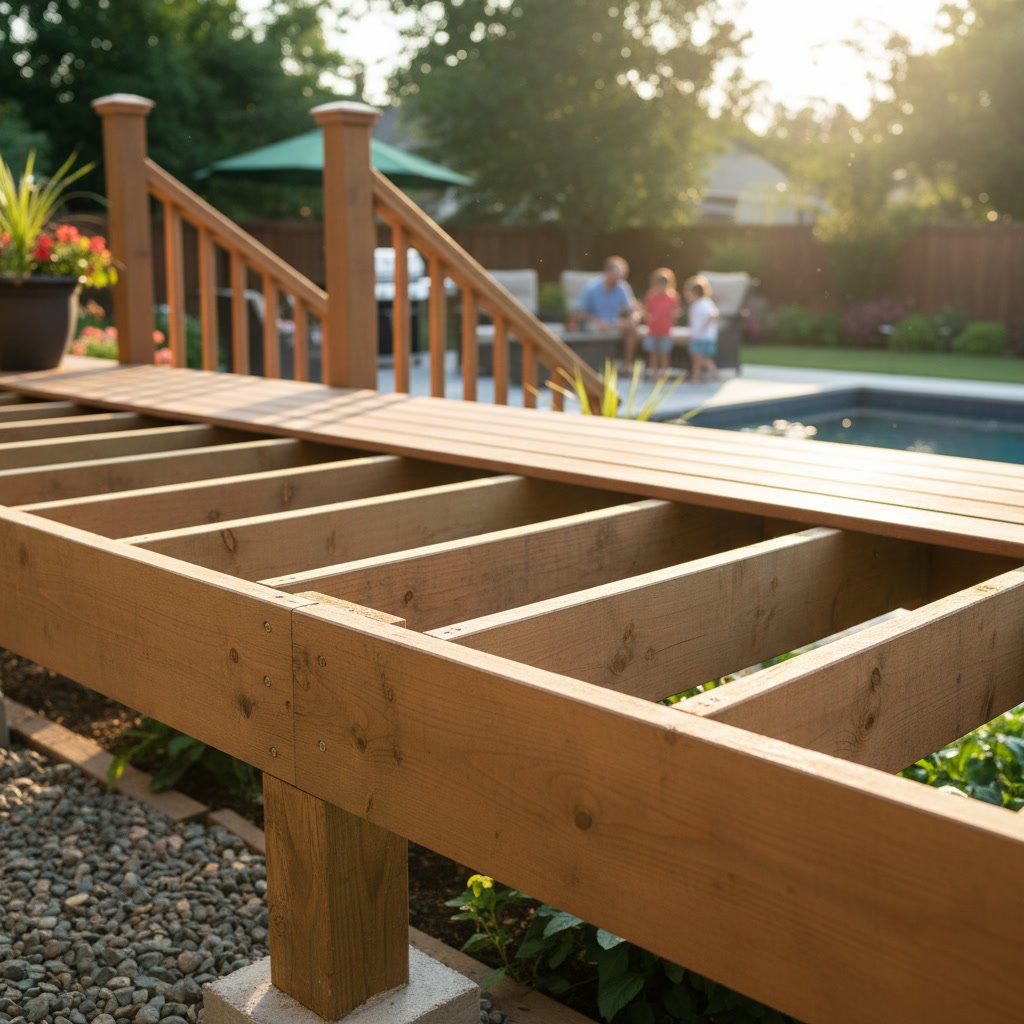
Deck flashing is a thin layer of waterproof material, typically metal or vinyl, installed where your deck connects to your house. It redirects water away from the ledger board and wall, preventing moisture from seeping into your home’s structure. Without proper flashing, water can cause extensive rot, mold growth, and even compromise the structural integrity of both your deck and your home’s exterior walls.
The Hidden Threat Behind Your Deck Attachment
Most homeowners never look closely at the space where their deck meets the house. That narrow gap between the ledger board and your home’s exterior is one of the most vulnerable spots on your entire property. Water naturally runs down the side of your house and collects exactly where your deck bolts into the structure. Without a protective barrier, that moisture sits trapped against wood and fasteners, creating the perfect environment for decay.
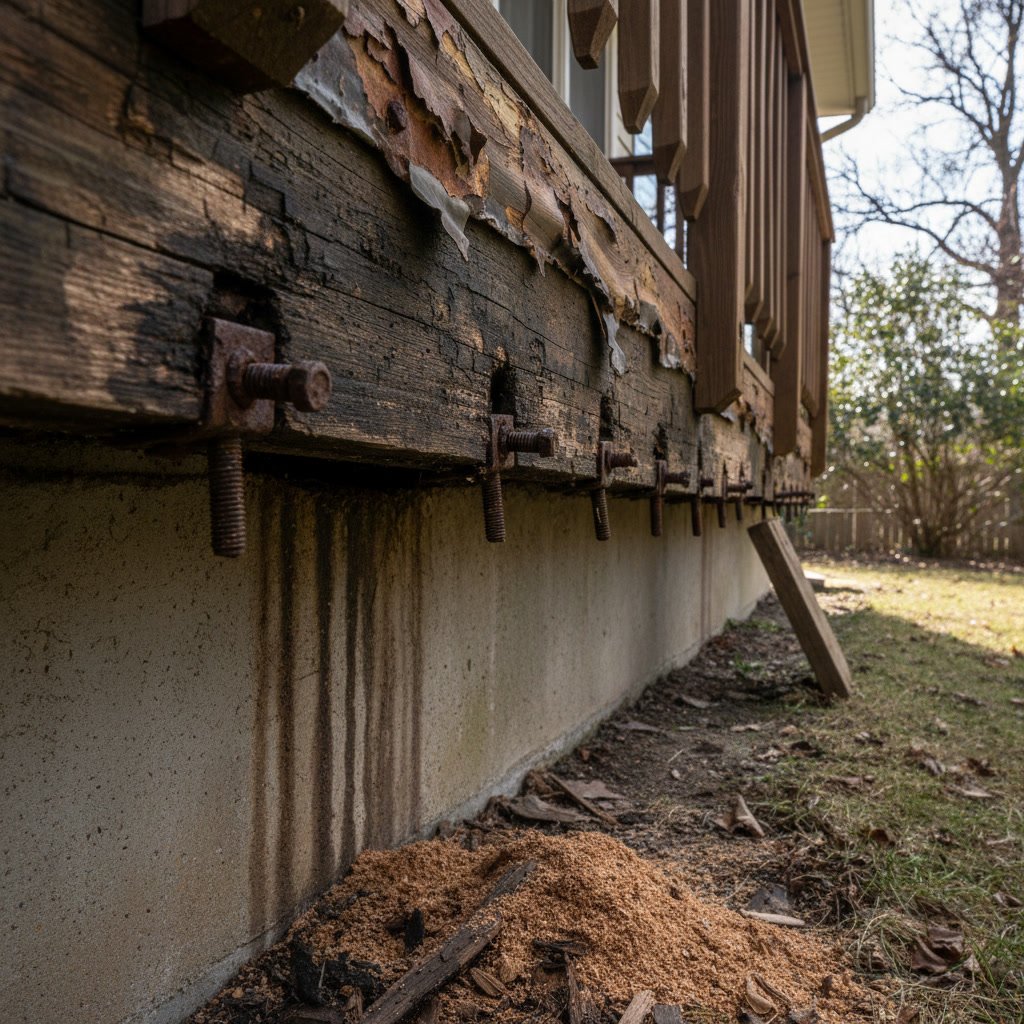
The problem develops slowly. By the time you notice soft spots or see daylight through rotted wood, the damage has often spread deep into the wall cavity. The repair bill climbs quickly when framing, sheathing, and interior finishes need replacement.
How Water Finds Its Way Behind Your Deck
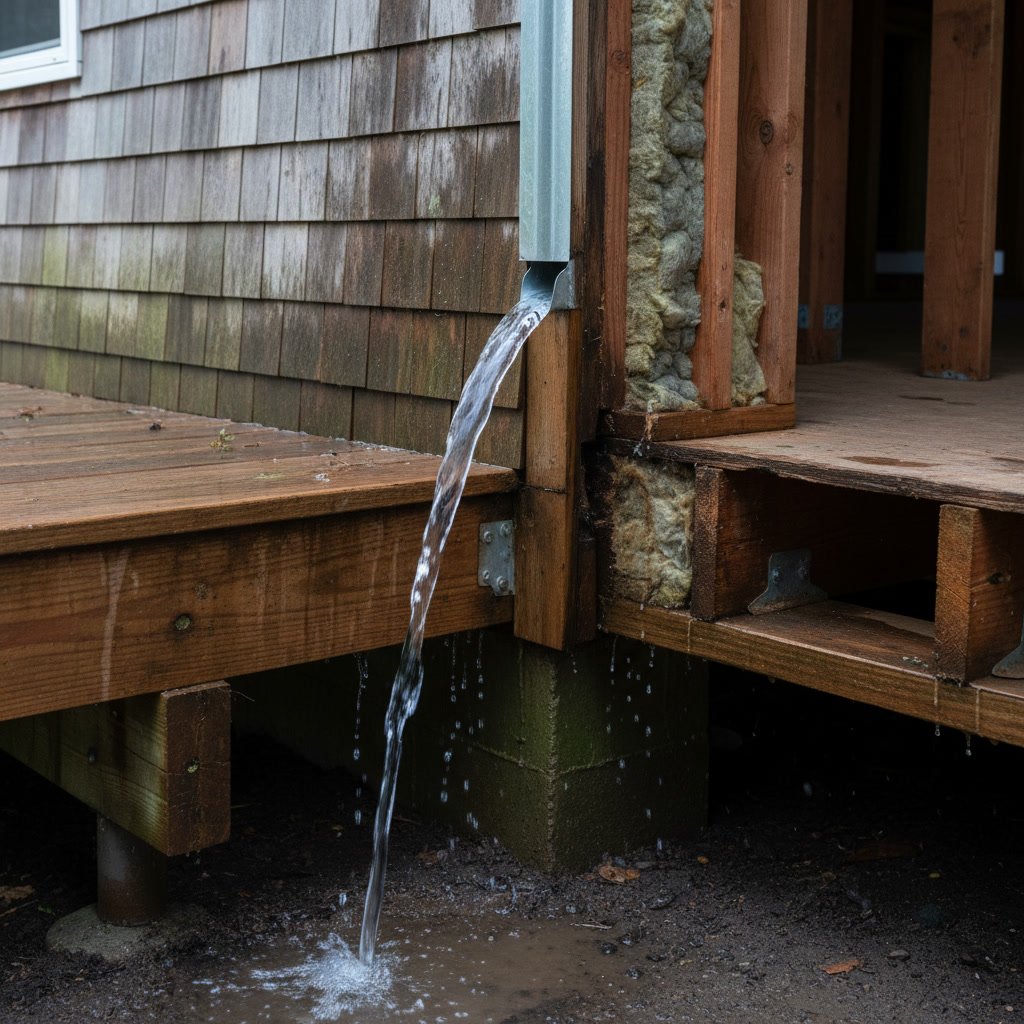
Rain doesn’t just fall straight down. Wind drives it sideways, and gravity pulls it along every surface it touches. When water hits your home’s siding, it travels downward until it reaches an obstacle. Your deck ledger board acts like a shelf that catches this runoff.
The lag bolts or screws that secure the ledger penetrate your siding and sheathing, creating dozens of tiny pathways for water entry. Even if you sealed these holes during installation, caulk shrinks and cracks over time. Seasonal expansion and contraction open new gaps. Without proper flashing, water exploits every opening.
The Two Primary Types of Protective Flashing
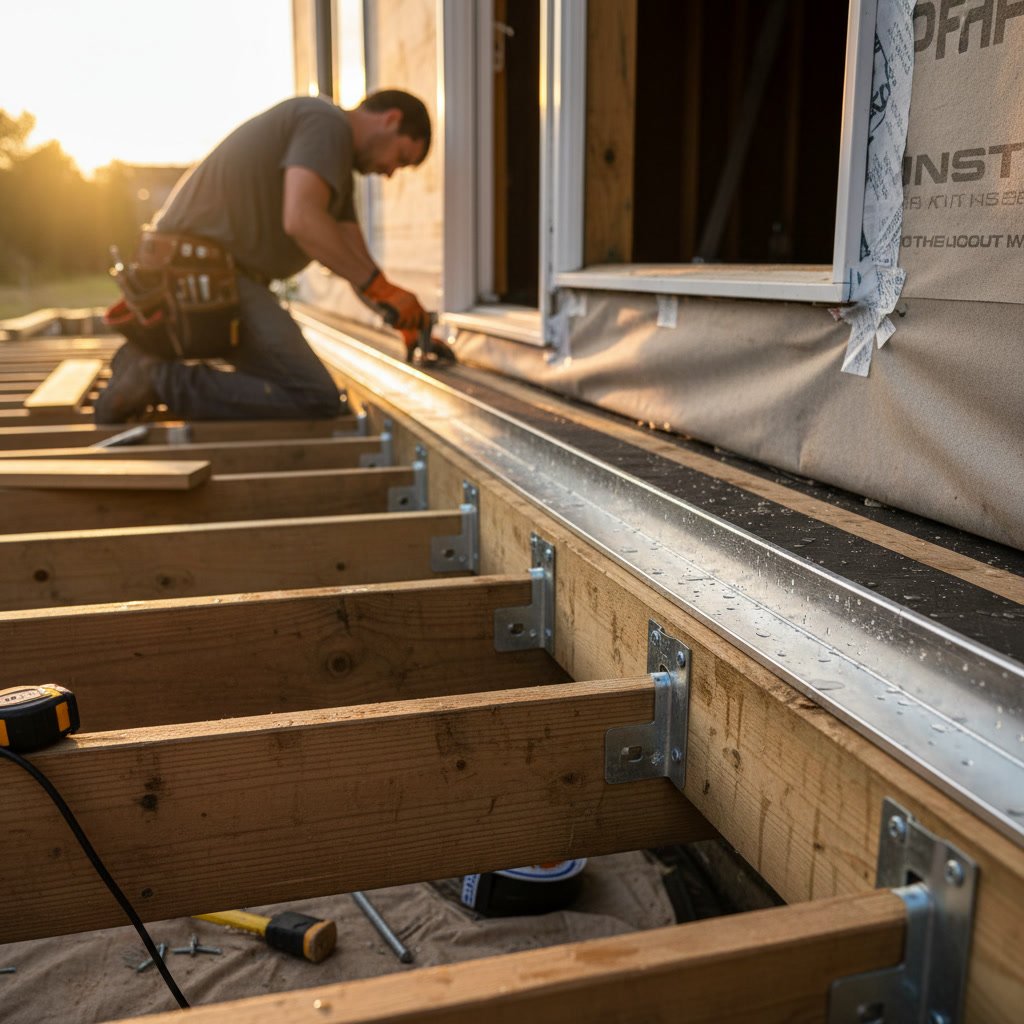
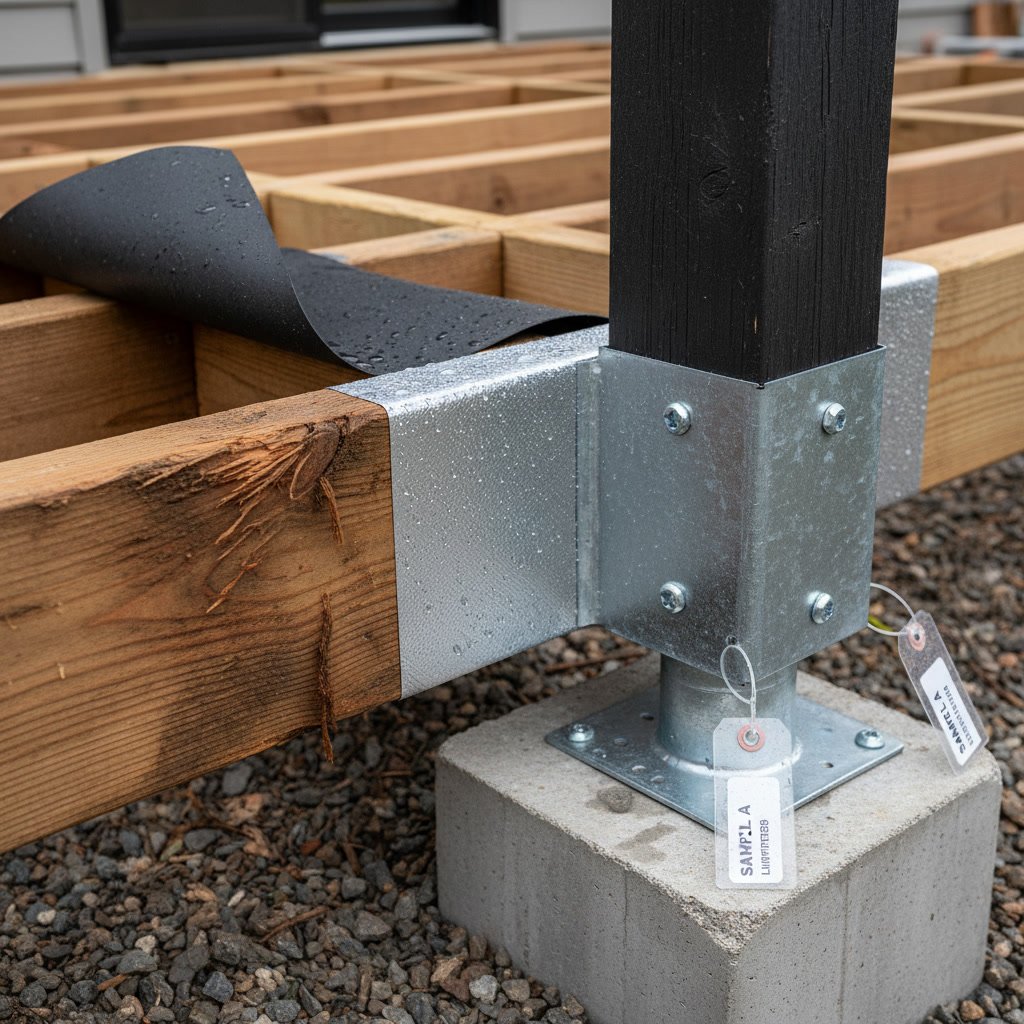
Ledger flashing comes in two main configurations. Step flashing uses L-shaped pieces of aluminum or galvanized steel. The vertical leg tucks up under your siding, while the horizontal leg extends over the top edge of the ledger board. This creates a waterproof cap that sheds moisture outward, away from the connection.
Continuous roll flashing offers a simpler installation. These self-adhesive membranes wrap over the ledger and stick directly to your wall surface. They work well with vinyl siding and other materials where tucking metal flashing becomes difficult. The adhesive creates a watertight seal that flexes with temperature changes.
Why Professional Installation Matters in Minisink
Our region sees heavy rain, snow, and freeze-thaw cycles that test every building component. Flashing installed incorrectly fails faster here than in milder climates. The top edge must integrate properly with your home’s weather barrier, whether that’s housewrap, building paper, or a peel-and-stick membrane.
Many DIY installations make the same mistake: they install flashing after attaching the ledger. Proper sequencing requires flashing to be woven into the wall assembly as you go. The lower courses of siding must lap over the flashing, while the upper edge tucks behind the weather barrier. Getting this layering wrong creates a funnel that directs water into your wall instead of away from it.
Four Critical Flashing Details That Prevent Failure
First, the flashing must extend at least four inches up the wall surface. Shorter coverage leaves gaps where wind-driven rain can reach the connection. Second, end dams at both sides prevent water from running around the edges. A simple fold or specially formed end cap solves this problem.
Third, all fastener penetrations through the flashing need sealant. Even a small screw hole can channel significant water over time. Fourth, the flashing should project at least half an inch beyond the face of the ledger. This overhang creates a drip edge that breaks the water’s surface tension, forcing it to fall clear rather than curl back underneath.
Signs Your Existing Deck Lacks Proper Protection
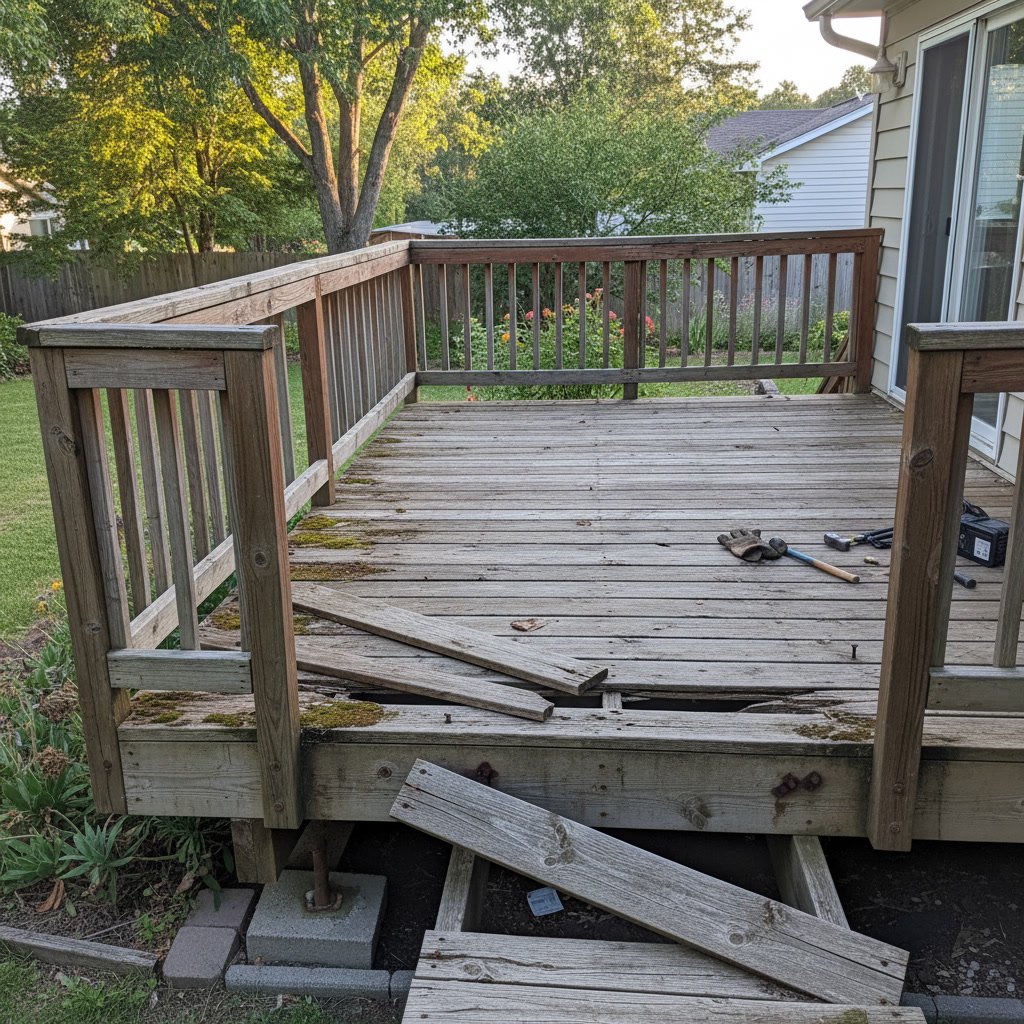
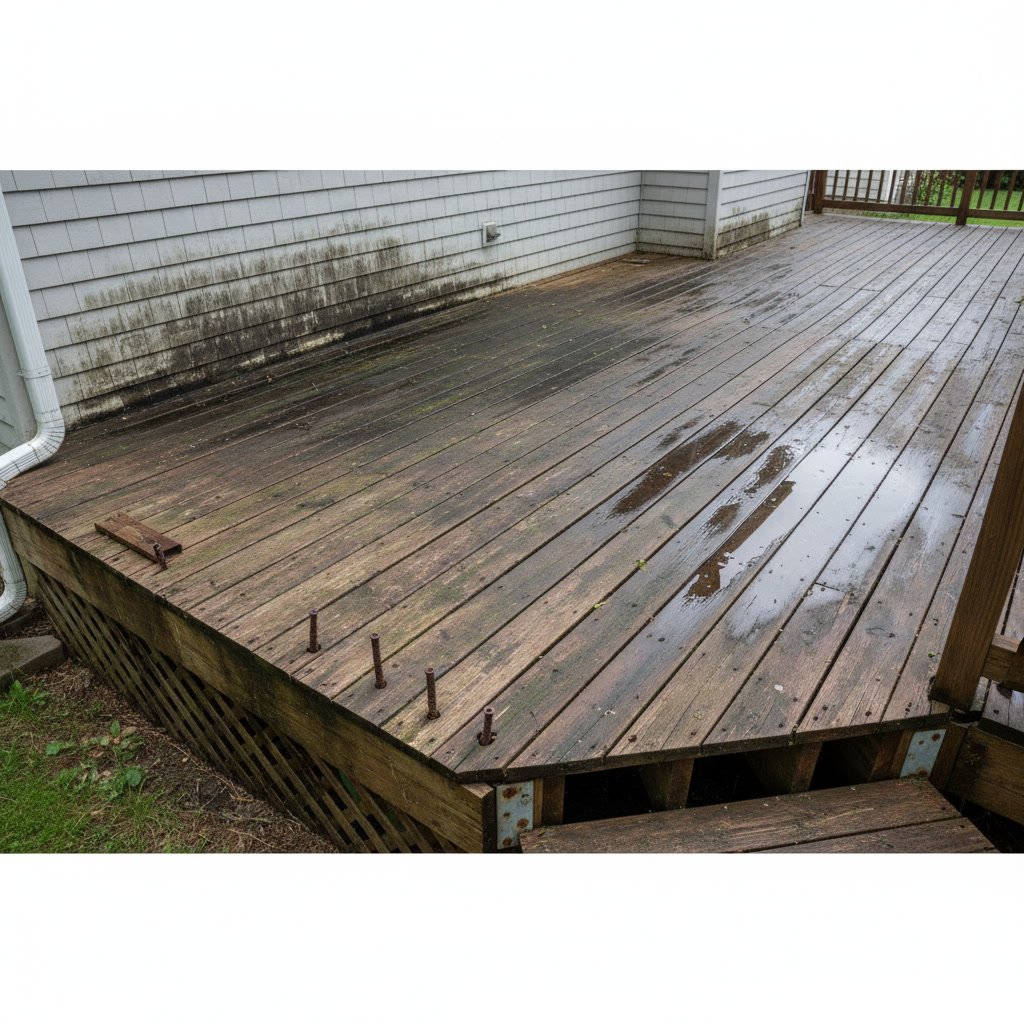
Pull back the gap between your deck boards and the house. Can you see the ledger board? If there’s no visible metal or membrane cap running along the top edge, you likely have no flashing at all. Dark staining on the ledger or house sheathing indicates ongoing water exposure.
Check for soft spots by pressing a flathead screwdriver into the wood near the bolts. Healthy wood resists penetration. Rotted material feels spongy and accepts the blade easily. If you’re seeing multiple warning signs, it may be time to evaluate whether your deck requires more extensive attention beyond just adding flashing. Our deck services include comprehensive inspections that identify hidden damage before it becomes dangerous.
What Happens When Water Reaches Your Home’s Structure
Once moisture penetrates past the flashing or enters through an unprotected connection, it attacks the most expensive components of your home. The rim joist, which supports your entire floor system, sits directly behind the ledger attachment point. Rot here threatens not just your deck but your home’s structural stability.
Wall sheathing absorbs water and swells. As it dries, it shrinks and cracks. Repeated cycles destroy the material’s integrity. Mold colonizes damp wood within 48 hours. Those spores spread through wall cavities and can eventually affect indoor air quality. Insurance companies often deny claims for rot damage, classifying it as maintenance-related rather than a sudden, covered event.
How Flashing Integrates With Other Deck Components
Effective water protection requires multiple defensive layers working together. The ledger flashing handles the top edge, but joist hangers create additional penetration points. Each hanger should receive a small piece of flashing or a heavy bead of sealant before installation.
The gap between the deck boards and house siding also needs attention. A quarter-inch space allows air circulation that helps everything dry quickly after rain. If you’re considering different attachment methods, understanding whether a freestanding deck or attached design better suits your property can eliminate ledger connection concerns entirely.
Material Choices That Affect Longevity
Aluminum flashing resists corrosion better than galvanized steel in most applications. It costs slightly more but often outlasts the deck itself. Copper offers superior durability and develops an attractive patina, though the premium price makes it uncommon for deck installations. Avoid plastic or vinyl flashing in high-UV locations. These materials become brittle and crack after five to seven years of sun exposure.
Self-adhered membranes provide excellent protection but require proper surface preparation. The wall sheathing must be clean, dry, and above 40 degrees during installation for the adhesive to bond correctly. Cold-weather installations often fail within the first year as the membrane peels away. If you’re planning broader exterior updates, coordinating deck work with window and door replacements lets you address all flashing details in a single project.
Inspection and Maintenance for Long-Term Protection
Check your flashing twice yearly, in spring after snow melt and in fall before winter. Look for separations where the metal meets the siding. Test the sealant around fasteners by pressing it with your finger. It should feel pliable, not hard or cracked. Clean out any debris that accumulates in the gap between the deck and house. Leaves and dirt hold moisture against the wood and accelerate decay.
If you spot problems early, repairs cost a fraction of full replacement. A tube of high-quality polyurethane sealant runs about eight dollars and can seal a dozen suspect penetrations. Ignoring small issues for even one season can turn a simple maintenance task into a structural repair requiring permits and engineering.
Protecting Your Investment for Decades
Proper flashing adds perhaps 200 dollars to a typical deck installation but prevents thousands in future repair costs. It’s one of the highest-return investments you can make in your outdoor living space. The technique matters more than the material cost. A 50-dollar roll of membrane installed incorrectly provides zero protection, while 15 dollars of aluminum flashing installed with proper lapping and sealing can protect your home for 30 years.
When evaluating contractors, ask specific questions about their flashing methods. Request photos of the ledger connection from previous jobs. Any builder with real experience will eagerly show you examples of proper installation. If they dismiss flashing as unnecessary or suggest adding it later, find someone else.
Our Nest Contracting LLC has protected homes throughout the Hudson Valley for over three decades by treating every connection detail as critical. We’ve repaired too many decks where missing or improper flashing caused structural failure. The homeowners always wish they’d invested in correct installation from the start.
Whether you’re planning a new deck or concerned about an existing structure, proper moisture protection isn’t optional. Understanding how water moves and where it causes damage helps you make informed decisions about your property. The right flashing, installed correctly, works invisibly to preserve your home’s value and your family’s safety for generations.
If you need an experienced team to evaluate your deck’s weather protection or install flashing that will actually perform, Our Nest Contracting LLC brings more than 30 years of proven results to every project. Give us a call at +18459887059 to schedule a thorough inspection and get honest answers about what your deck really needs.